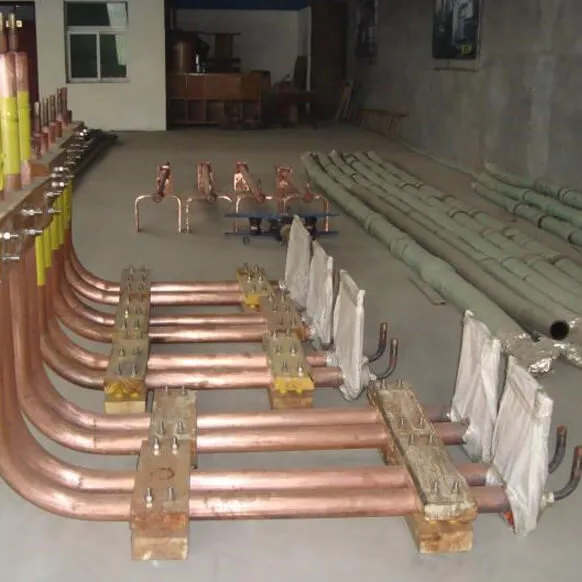
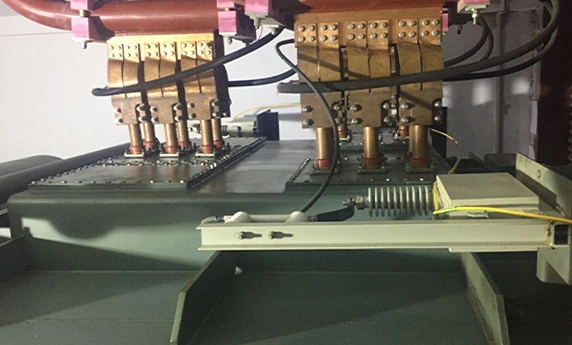
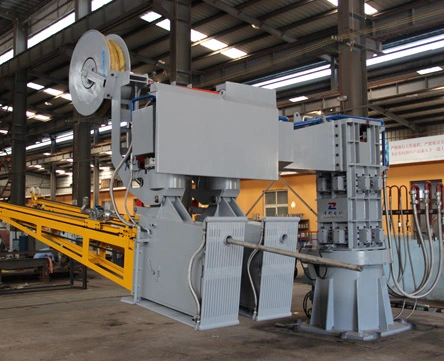
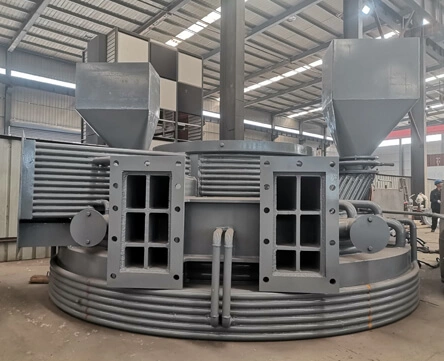
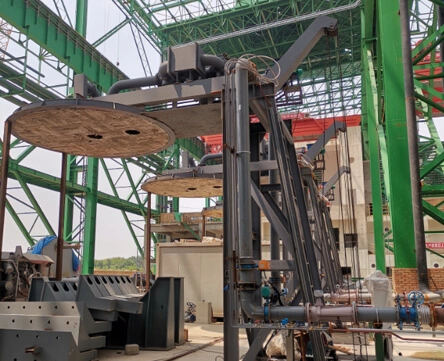
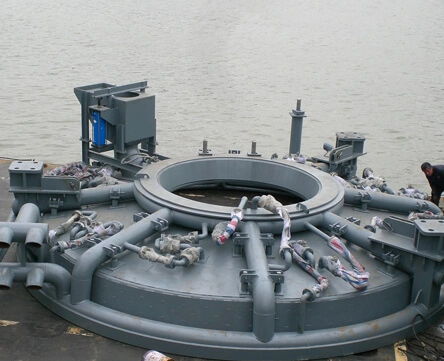
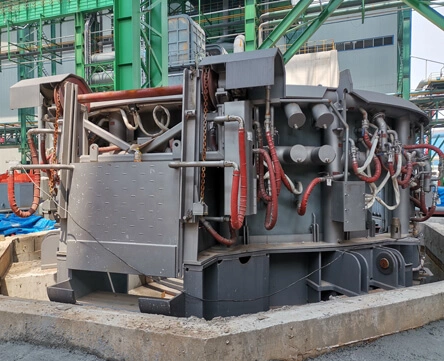
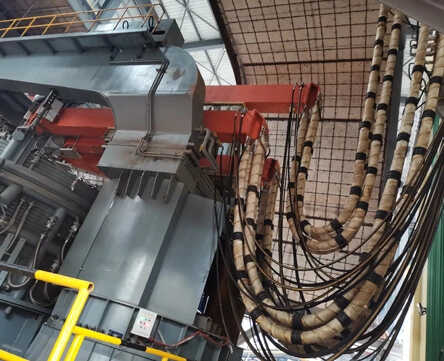
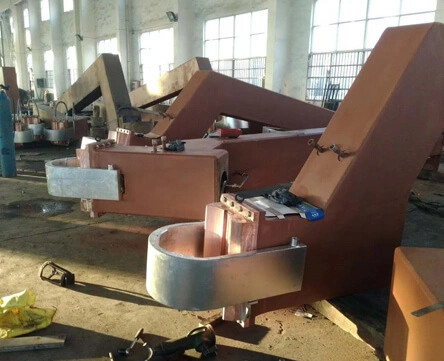
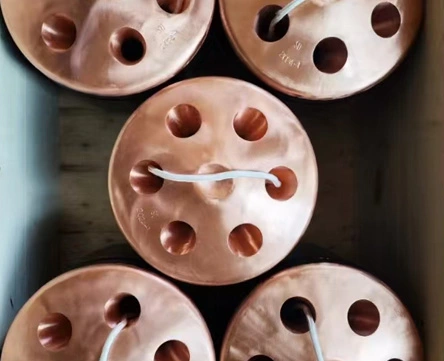
Several copper busbar designs now exist for the electrode arm and bus-bar assembly. Many older furnaces utilize an arm structure that supports an electrically insulated bus-bar. The electrical copper busbar provides the electrical connection between the power cables and the electrode holder. The copper busbar material is a rigid, round, copper pipe. Typically the copper bus bar for sale is supported by one or two bolted connections. Good insulation must be installed between the bus tube and its' supporting members to ensure that arcing which could destroy the bust tube does not take place. Bus tubes are usually attached to the power cables using removable, cast copper terminals or in some cases, permanent fabricated copper terminal plates and pads.
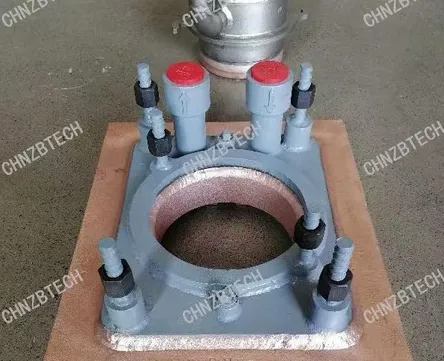
Several configurations are available for the copper bus pipe termination at the electrode holder and contact pad. These include flanged connection to the contact pad, flat blade joined to the tube for parallel connection with the holder and a round copper tube contact point with the connector. The copper grounding bus bar may be bolted to the holder or contact pad or a fused permanent joint may be used. Many modern types of steel making furnaces utilize current conducting arms in which the arm itself transmits electricity to the electrode holder and contact pad. Current conducting arms are usually fabricated from copper clad steel or aluminum alloys. Due to the reduced weight of conducting arms as opposed to conventional arm and copper ground busbar assemblies there is somewhat less mechanical wear. However, many of the same maintenance issues apply both to bus tube assemblies and current conducting arms.
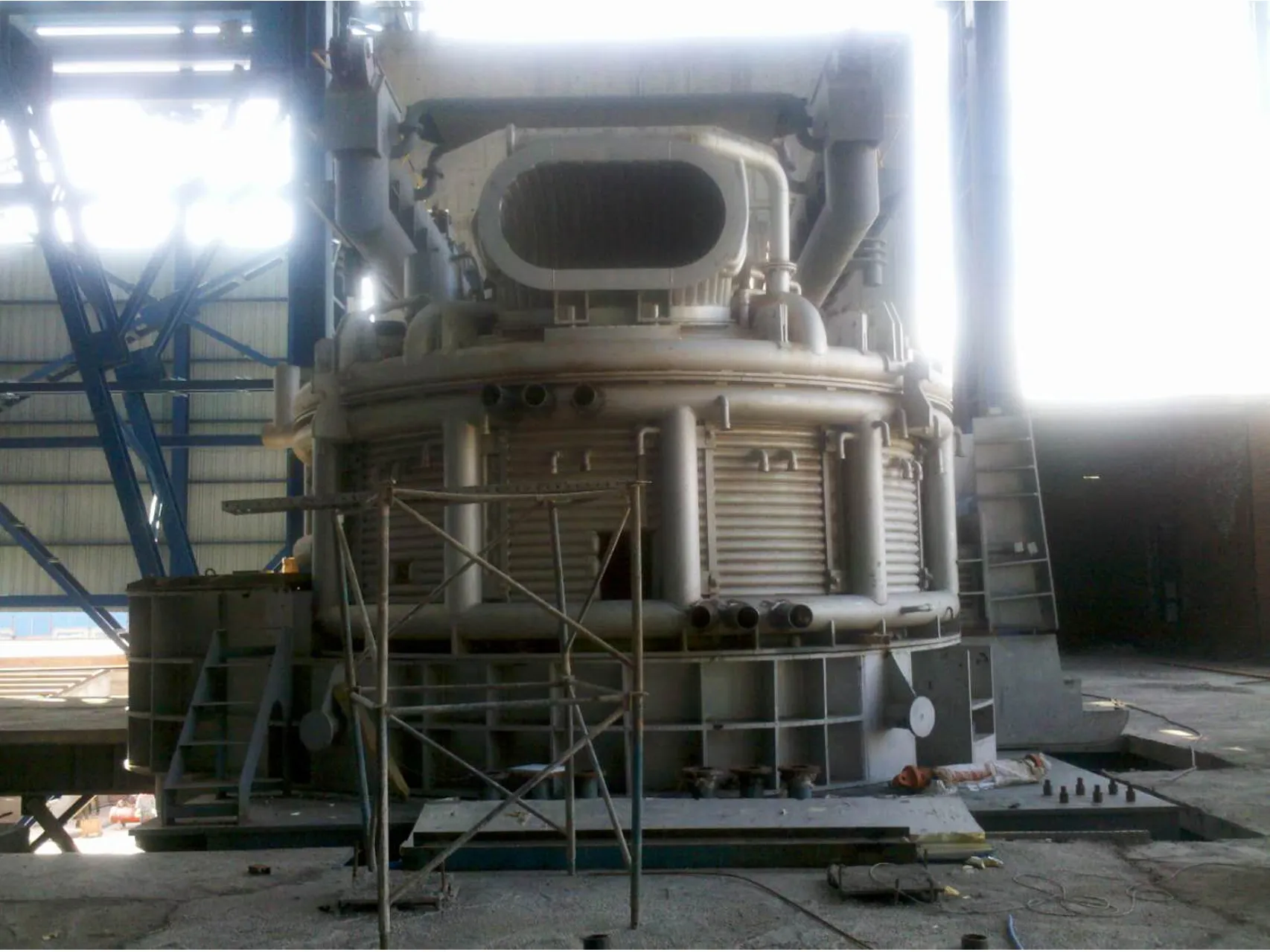
Copper bsbar system can improve the current distribution inside the EAF electric arc furnace, SAF submerged arc furnace ensure good heat uniformity, improve furnace efficiency, and also reduce the occurrence of electrode slip and erosion. In addition, custom copper busbar auxiliary power supply technology can also be considered for long-term energy conservation and pollution reduction.
Copper ground busbar has high conductivity, less loss, is not easily damaged, a long life span, is less affected by temperature changes, and is more suitable for high-power and strong current scenarios. The copper bus bar for sale is durable, retains value, has good conductivity, and high mechanical strength, but it is relative cost-expensive;
Aluminum copper busbar have lower conductivity than copper busbar, relatively shorter lifespan, poorer stability than copper, and are more susceptible to external interference such as temperature and humidity. They have a larger volume compared to copper busbar, but aluminum basbar has lower cost and should be selected for scenario applications.
The copper busbar selection should be based on the amount of the current used, the inductance value, the strength of the custom copper busbar structure, the length and weight of the water-cooled cable structure, make it compatibility with the transformer, and the applicability of the working conditions.
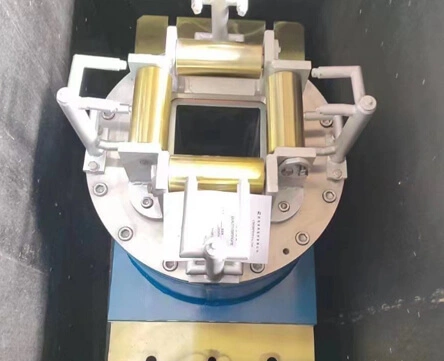
Uses of copper ground busbar system, usually have to consider other furnace spare parts, such as transformer capacity, electrode regulators, water-cooled cables, copper joints, water-cooled cables, compensators, conductive electrode arms, electrode clamp rings, copper contact, clamping cylinders, disc springs, insulation materials, high-voltage resin insulation hoses, copper steel composite plates.
| Item | Typical Value / Range | Remarks |
| Application | EAF (Electrode Arms), LF (Secondary Circuit), SAF (Anode/Cathode) | High-current, high-stress environments |
| Conductor Material | Electrolytic Tough Pitch (ETP) Copper, Grade C11000 | High purity (≥99.95%) for optimal conductivity |
| Rated Current (In) | 20 kA ~ 120 kA | Continuous current carrying capacity (AC RMS) |
| Rated Voltage (Ue) | Up to 1,500 V AC | Typically operates at lower voltages (e.g., 400V-900V secondary) |
| Short Circuit Withstand (Icw) | 100 kA ~ 350 kA (1 sec) | Critical for EAF/LF fault currents |
| Peak Current (Ip) | 250 kA ~ 800 kA | During short-circuit faults (sub-transient) |
| Busbar Configuration | Phase Segregated / Non-segregated (Delta formation) | Often uses flat bars arranged horizontally or vertically |
| Cross Section Area | 2,000 mm² ~ 40,000 mm² per phase | Custom fabricated; multi-bar arrangements per phase |
| Connection Type | Bolted Joints (High-strength steel bolts) / Welded | Bolted joints allow for maintenance and expansion |
| Insulation | Air Insulated / Bare Conductors | Often left uninsulated; relies on air clearance & creepage distances |
| Support Insulators | Porcelain / Epoxy Resin / Glass Fiber Reinforced Plastic (GFRP) | Must withstand high mechanical stress and thermal cycling |
| Temperature Rise (ΔT) | ≤ 65 K (at rated current, 40°C ambient) | Strict limit to prevent softening of copper or bolt creep |
| Reactance (X) | Minimized by specific arrangement (e.g., phase spacing) | Crucial for reducing voltage drop and flicker in EAFs |
| Expansion Joints | Finger-type / Slide-type Expansion Connectors | Compensates for thermal elongation of long bus runs |
| Cooling Method | Natural Air Cooling / Forced Air (Fans) | Large surface area design for passive cooling |
| Compliance Standards | IEC 62271-201 (High-voltage switchgear busbars) / IEEE C37 | Applicable standards for heavy industrial buswork |