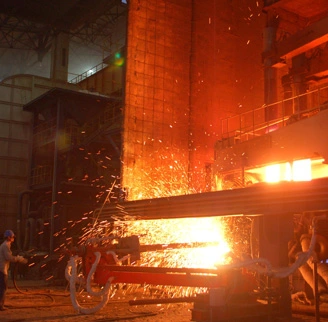
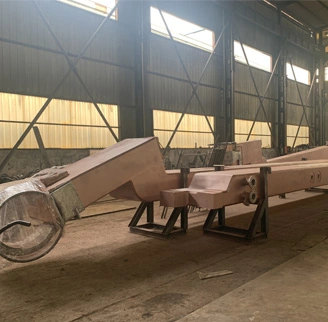
The current use of tubular water-cooled furnace roofs has effectively overcome the shortcomings of traditional furnace covers. However, due to the process structure, during the normal EAF furnace smelting process, a large amount of steel slag containing conductive materials splashes and accumulates between the top of the furnace cover, the central small furnace cover, and the water-cooled cover plate. These steel slag accumulate to a certain thickness, and when the conductive materials in the slag can transmit large currents, they will break through the water-cooled EAF roof and cause water leakage faults, affected the normal production rhythm.
Based on the existing production conditions of the 40t electric arc furnace steelmaking the water-cooled furnace cover, the structure of the water-cooled furnace cover has been changed from an integral type to a split type. The service life of the improved water-cooled EAF roof has been increased from multiple welding repairs less than 1000 heats to a single use of 4508 heats. After use, the (H) in the molten steel has been reduced by 26.7%, reducing production costs, improving the quality of the molten steel and smelting efficiency.
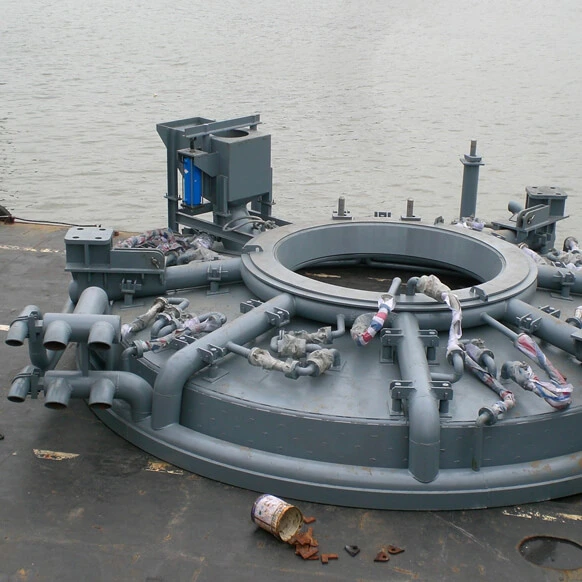
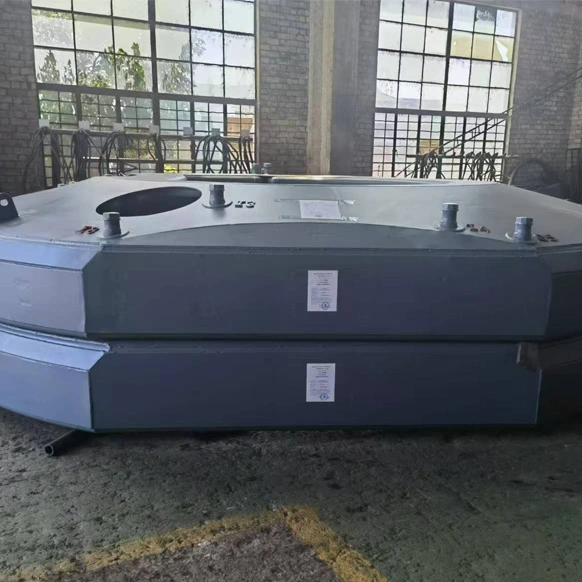
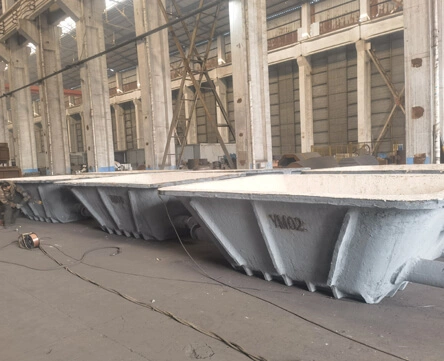
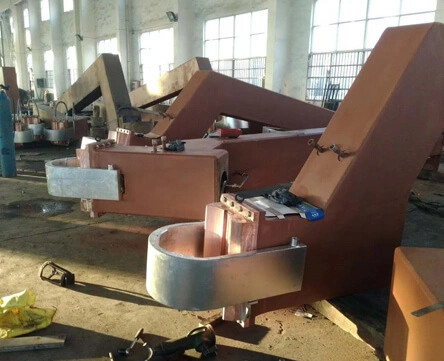
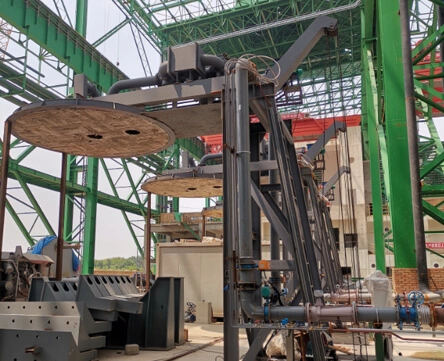
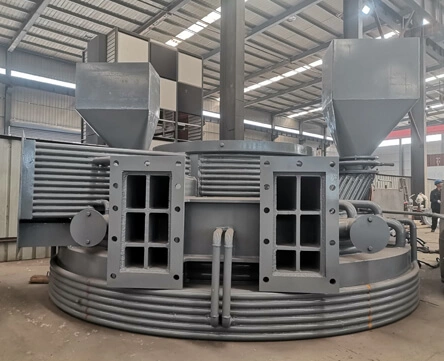
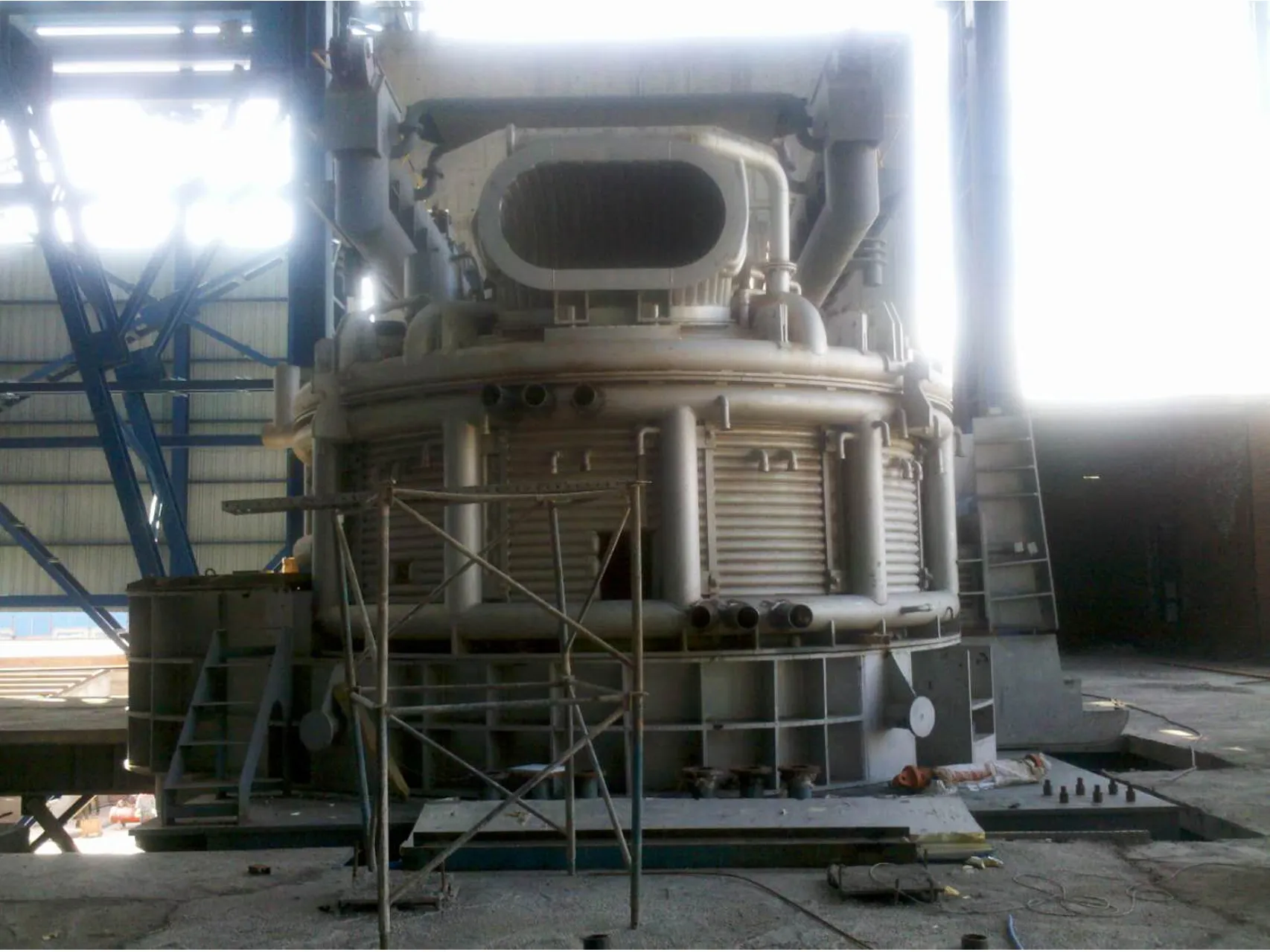
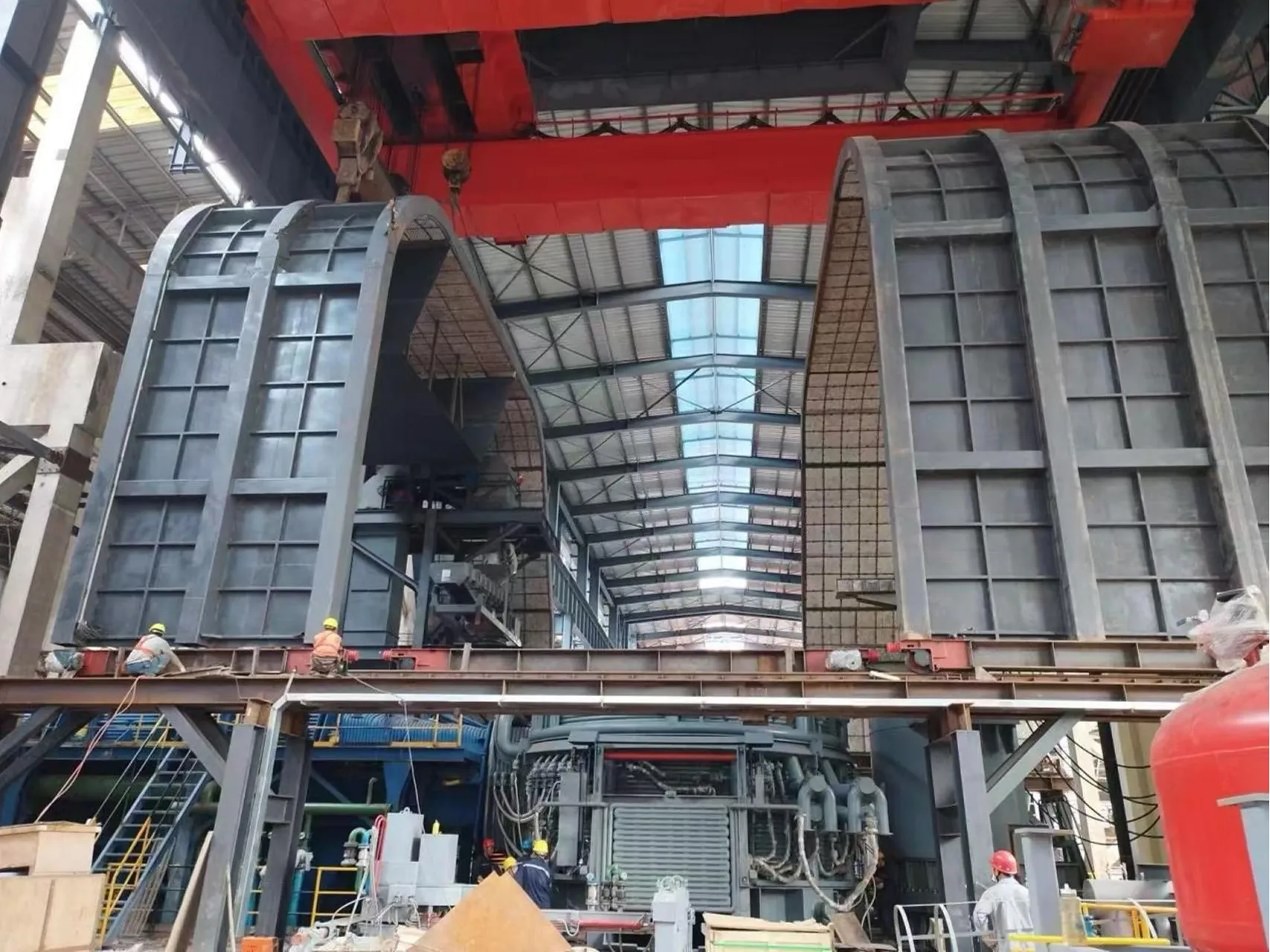
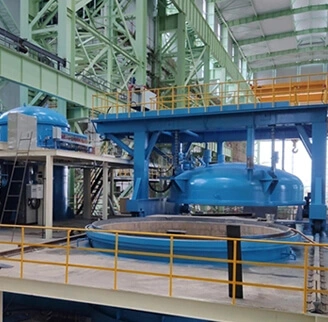
What are the structural components of the water-cooled furnace roof of EAF? The furnace roof of an electric arc furnace for sale generally adopts a tubular water-cooled and tightly arranged furnace cover structure. The EAF roof includes the roof body and the receiving hopper device. The main structural framework is made of seamless steel pipes into a circular shape, which serves not only as a requirement for the strength of structural components but also as a main inlet and outlet pipeline, connecting various cooling water pipes through the main inlet and outlet pipelines.
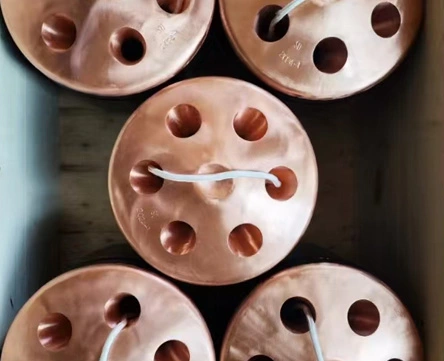
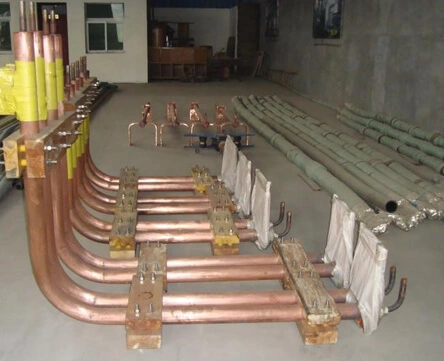
The rest are composed of slightly smaller sized tightly packed tubes. These furnace parts for sale are easy to replace and maintain, and their service lives are ≥ 3000 heats. The lower part of the receiving hopper adopts water-cooled material pipes. The inlet and outlet cooling pipes of the EAF roof cover are made of flange type stainless steel metal hoses (equipped with rotary adapters), while the other water cooling pipes are made of handle type stainless steel metal hoses. The central part of the furnace cover is a small ramming central EAF roof with three electrode holes, made of refractory pouring material.
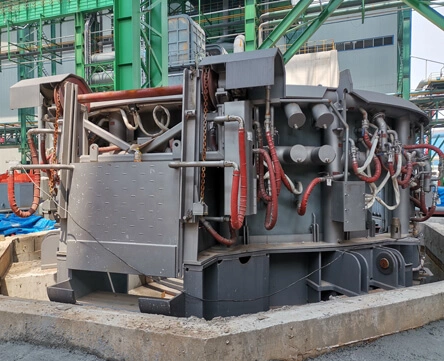
EAF roof main structure including flexible hose & fasteners, elbow, water-cooled block(jacket) , water-cooled skeleton, and ramming center roof
| Item | Typical Value / Range | Remarks |
| Roof Type | Water-Cooled Panel (Tube/Sheet), Refractory Brick, Hybrid | Modern UHP EAFs use mostly water-cooled panels |
| Furnace Capacity Match | 5 T ~ 200 T+ | Dimensions scale with furnace shell diameter |
| Roof Diameter (OD) | 2,500 mm ~ 8,000 mm+ | Matches the furnace upper shell flange |
| Roof Dome Height / Rise | 400 mm ~ 1,200 mm+ | Arch height; affects structural stability & gas flow |
| Roof Thickness / Section | 100 mm ~ 300 mm+ | Includes panel thickness + refractory lining thickness |
| Electrode Opening Qty | 3 (Standard 3-Electrode EAF) | Positioned on the Delta Sector / Roof Ring |
| Electrode Pitch Circle Dia. | 800 mm ~ 1,600 mm+ | Distance across the 3 electrode centers (PCD) |
| Delta Section Material | High-Alumina Precast / Castable / Water-Cooled Copper | Area directly exposed to arc radiation; highest wear |
| Roof Ring Material | Water-Cooled Steel Panels / High-Alumina Bricks | Surrounds the delta section |
| Fume Offtake (Elbow) | 1 x Central / 1 x Off-center | Connected to the Fume Treatment Plant (FTP) |
| Charging Port (Door/Hole) | 1 x Offset / 1 x Central (Drop-through) | For scrap charging buckets or flux addition |
| Viewing / Inspection Port | 1 ~ 2 ports | Equipped with glass or infrared camera fittings |
| Cooling Water Flow | 50 ~ 500+ m³/h | Total flow for all roof panels |
| Cooling Water Pressure | 0.4 ~ 0.8 MPa | Inlet pressure requirement |
| Lifting Travel (Stroke) | 300 ~ 500 mm | Hydraulic cylinder lift to clear furnace top |
| Rotation Angle | 60° ~ 90° (Commonly 70° ~ 80°) | To swing the roof aside for charging/scrap clearing |
| Roof Weight (Dry) | 5 T ~ 50 T+ | Water-cooled roofs are heavier than brick-lined ones |
| Design Standard | AWS D1.1 (Welding), ASME BPVC (Pressure parts) |