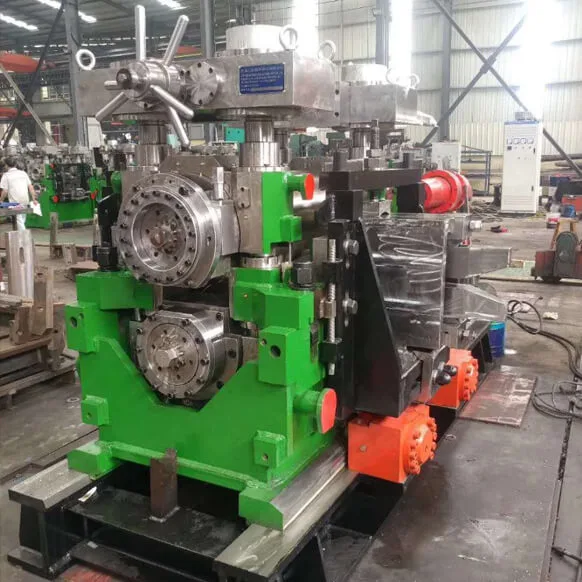
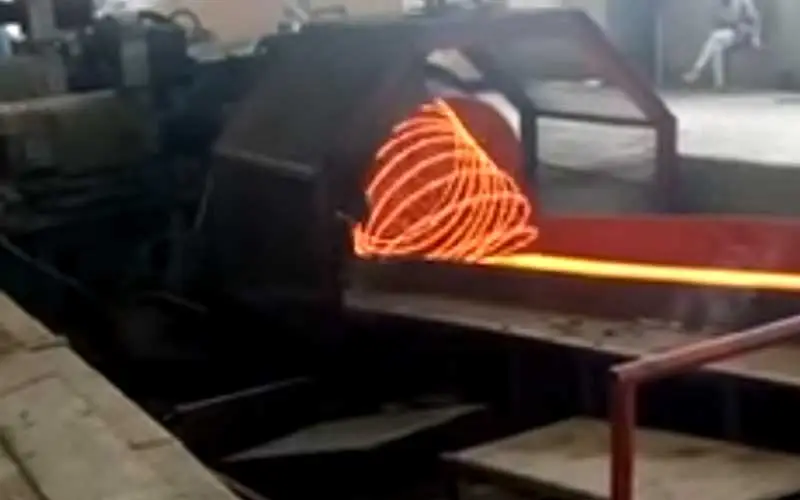
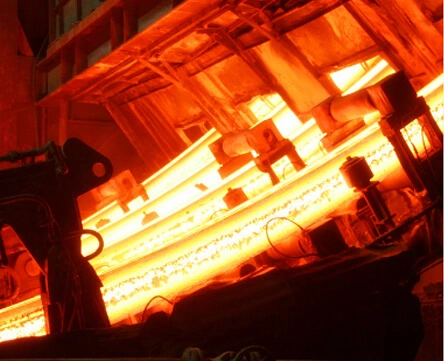
Rolling mills can be divided into two rolls, four rolls, six rolls, eight rolls, twelve rolls, eighteen rolls, etc. according to the number of rolls; According to the arrangement of the rollers, they can be divided into "L" type, "T" type, "F" type, "Z" type, and "S" type.
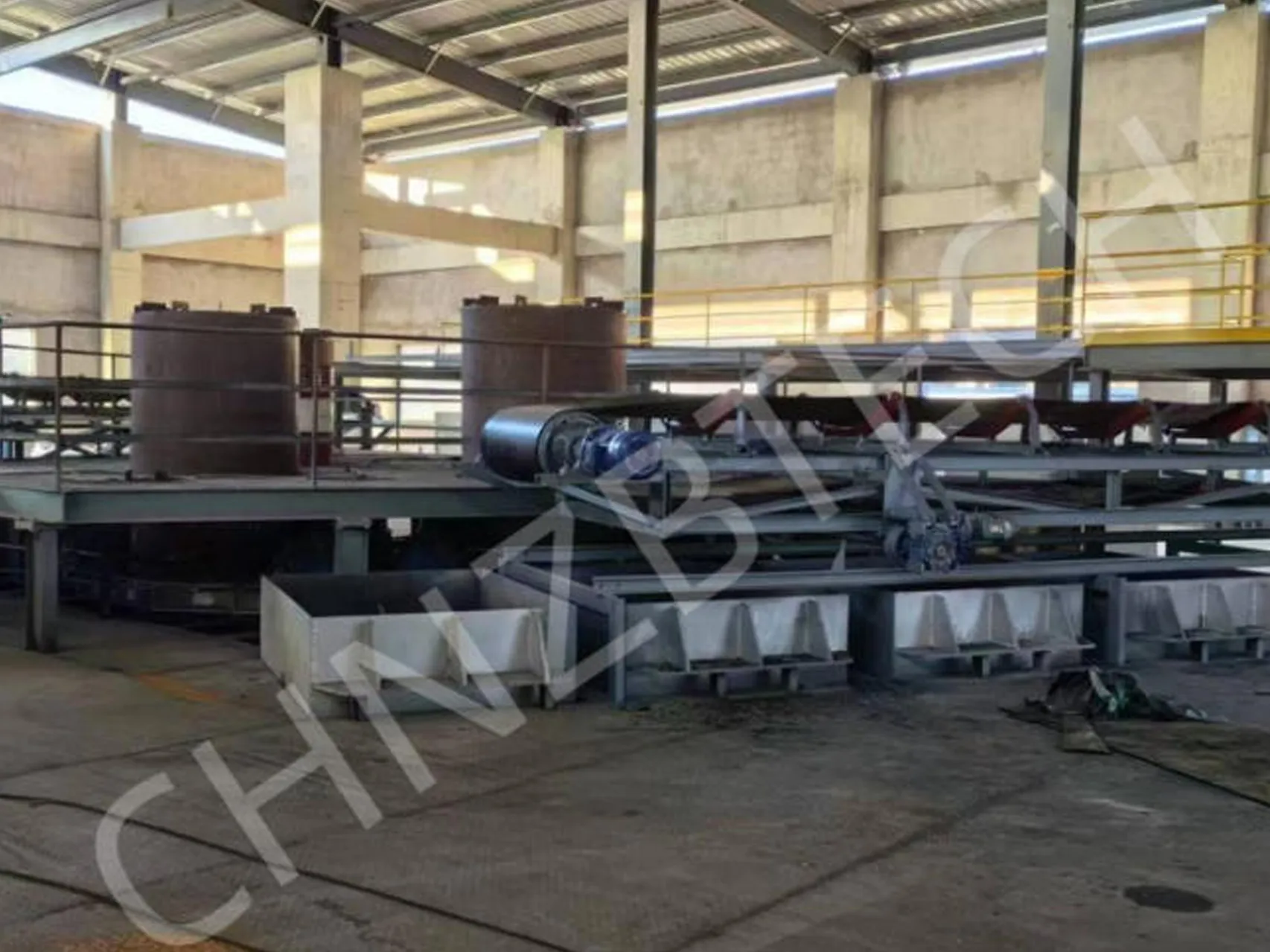
Includes the racks and roller bed automatic devices in various structures and with various functions such as product shearing, transportation, collection and bundling etc. to satisfy various process layout requirements in finishing area.
Skirt-plated feeding cooling table is applied, skirt plate drive includes hydraulic mode and mechanical mode. Cooling table material feeding adopts steel delivery chain and steel moving trolley. Bed surface size is 8m to 12.5m in length and 60m to 120m in width.
Independently researched and developed top-cross 45° wire rolling mill which is the preferred machinery type for wire finishing mill in China and possesses outstanding technical advantages, reduces long shaft height, improves rolling stability, decreases equipment weight and is convenient for maintenance.
Researched and developed a series of new-type furnace auxiliary equipment which effectively improves the structure and function of equipment in furnace area, such as traversing table, elevator, material feeding device of elevator, cold billet charging table and hot billet feeding turnover table etc., with complete equipment configuration, which could satisfy the delivery demand of billet with section 220mm at most.
Independently researches and develops billet curved conveyor roller, takes the first place in realizing 12m continuous casting billet turning transportation in China and truly realizes the long-distance continuous automatic transportation of billet.
The flying shear for bar series researched and developed voluntarily has modern flying shear’s features and advancement.
| Item | Typical Value / Range | Remarks |
| Mill Type | 2-High, 4-High, 6-High, Tandem Mill | 4-High (Work roll + Backup roll) is very common |
| Rolled Material | Carbon Steel, Alloy Steel, Stainless Steel | Low carbon to high strength steel |
| Input Thickness | 1.5 – 6.0 mm (Cold) / 30 – 250 mm (Hot) | Hot rolling handles much thicker entry material |
| Output Thickness | 0.15 – 3.0 mm (Cold) / 1.2 – 25 mm (Hot) | Cold rolling achieves precision thin gauges |
| Strip / Billet Width | 400 – 2,100 mm | Narrow to extra-wide strip capability |
| Work Roll Diameter | 180 – 450 mm | Smaller for cold mills (higher reduction per pass) |
| Backup Roll Diameter | 600 – 1,450 mm | Supports work roll to prevent bending/deflection |
| Roll Body Length | 450 – 2,200 mm | Slightly wider than max strip width |
| Maximum Rolling Force | 8,000 – 35,000 kN | Depends heavily on roll diameter and width |
| Maximum Rolling Speed | 600 – 1,800 m/min | High-speed tandem mills for mass production |
| Main Motor Power | 1,500 – 15,000 kW | DC or AC variable frequency drive |
| Thickness Tolerance | ±0.5% – ±1.0% (Cold) / ±0.5 mm (Hot) | Precise AGC (Automatic Gauge Control) for cold |
| Drive Configuration | Work roll drive / Backup roll drive | Work roll drive is common for 4-high mills |