What is a Water Cooled Cable for Induction Furnace and Why is It Important
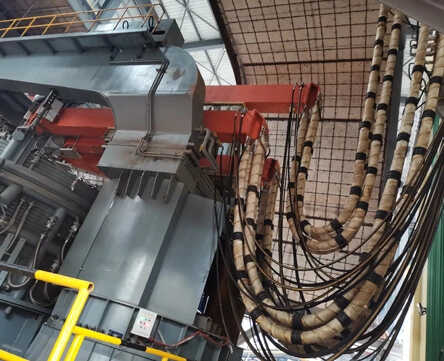
In modern steelmaking and metallurgical processes, the water cooled cable for induction furnace serves as a critical component that ensures the stable transmission of high electrical currents to the furnace coil while simultaneously managing the immense heat generated during operation. Unlike conventional cables, water-cooled designs use a circulating coolant system to dissipate heat efficiently, reducing the risk of thermal damage and prolonging service life. Proper functioning of these cables is essential for maintaining operational safety and energy efficiency in induction furnace systems. CHNZBTECH has engineered water-cooled cables with advanced insulation and durable construction to withstand high currents and harsh industrial environments, making them a reliable choice for long-term industrial applications.
Daily Inspection Practices for Water Cooled Cable for Induction Furnace
Routine inspection of the water cooled cable for furnace is key to identifying potential wear or damage before it escalates into a critical failure. Operators should check for signs of coolant leakage, corrosion at connectors, and any visible abrasions along the cable surface. Ensuring that all cable connections are tight and free of contaminants prevents unnecessary resistance, overheating, or electrical arcs. Monitoring the coolant flow rate and temperature is also vital, as insufficient cooling can compromise the cable's performance and safety. CHNZBTECH recommends a daily inspection routine that includes visual checks, touch tests for unusual heat, and measurement of electrical continuity to maintain the cable's optimal function. These practices directly impact the efficiency of the induction furnace and the quality of the steel or alloys being processed.
How Can Proper Handling Extend the Life of Water Cooled Cable for Induction Furnace?
Correct handling of the water cooled cable for induction furnace not only enhances its durability but also improves overall system reliability. Cables must be carefully routed to avoid sharp bends, kinks, or friction against metal surfaces, which can damage both the external insulation and internal conductors. During installation or maintenance, lifting and positioning the cable should always be done using proper supports and protective guides to prevent mechanical stress. Additionally, the use of compatible connectors and proper tightening torque ensures secure electrical contact while minimizing hotspots. By adopting these handling practices, industrial operators can reduce downtime, prevent premature cable failures, and maintain the precise electrical performance required for efficient induction heating operations.
Water Cooling System Maintenance for Optimal Cable Performance
A fully operational water-cooling system is integral to the function of any water cooled cable for induction furnace. Regular checks on pump functionality, coolant level, and flow rate are essential to prevent overheating of the cable during extended operation. Periodic flushing of the cooling loop to remove sediments or impurities maintains uninterrupted circulation and prevents corrosion or blockages that could compromise the system. Temperature sensors and flow meters should be calibrated and monitored consistently to detect any irregularities. CHNZBTECH, one of the leading steel furnace manufacturers, emphasizes integrating automated monitoring systems in modern induction furnace setups, which can provide real-time alerts for flow interruptions or thermal spikes, thus protecting the cables from damage and maintaining consistent performance.
Common Troubleshooting Questions for Water Cooled Cable for Induction Furnace
A frequent question among operators is: "What should I do if my water cooled cable for induction furnace shows signs of overheating despite proper coolant flow?" Several factors may be involved, including compromised insulation, partial blockage in the cooling loop, or loose electrical connections causing localized resistance. Visual inspections combined with electrical testing can pinpoint problem areas. Ensuring that connectors are clean, coolant is free from contaminants, and the cable's insulation remains intact usually resolves the majority of performance issues. Additionally, scheduling preventive maintenance based on operating hours, rather than only reacting to faults, significantly enhances cable longevity. By adhering to these troubleshooting and preventive practices, operators can maintain consistent induction heating performance and ensure safe, uninterrupted steelmaking operations.

 EN
EN
 fr
fr  ar
ar  fa
fa