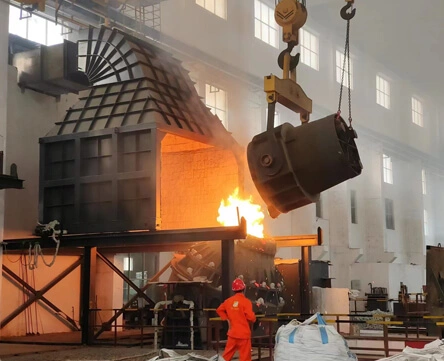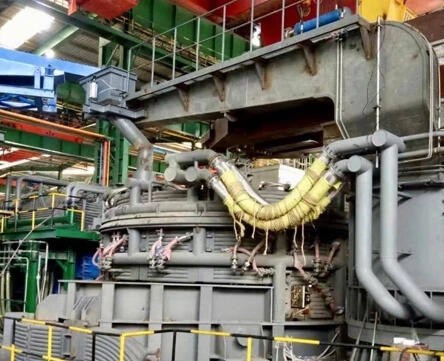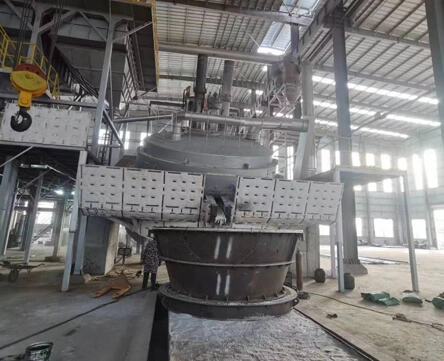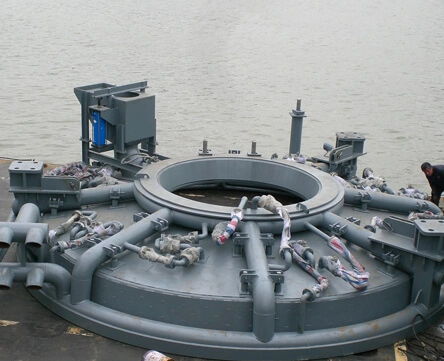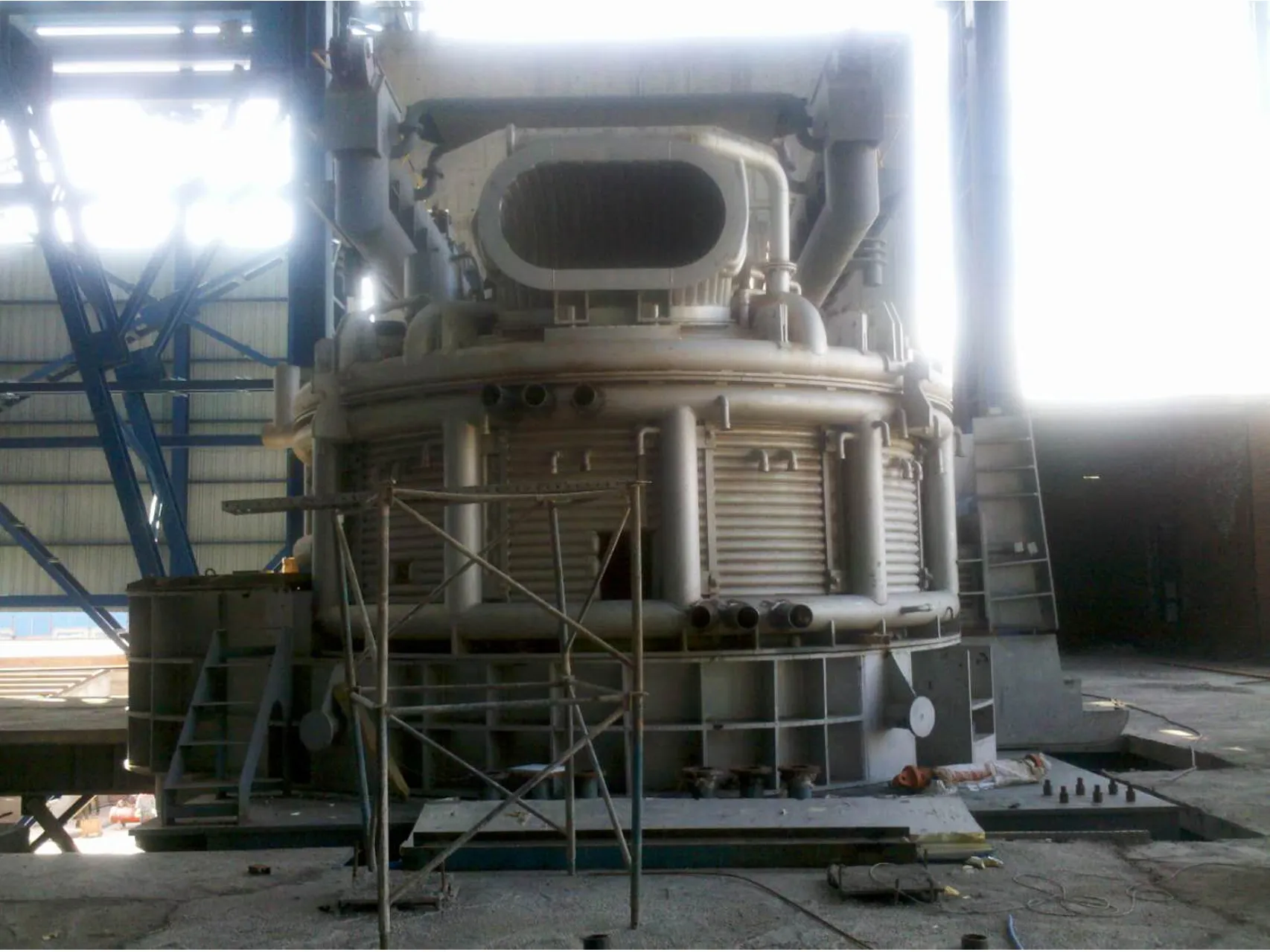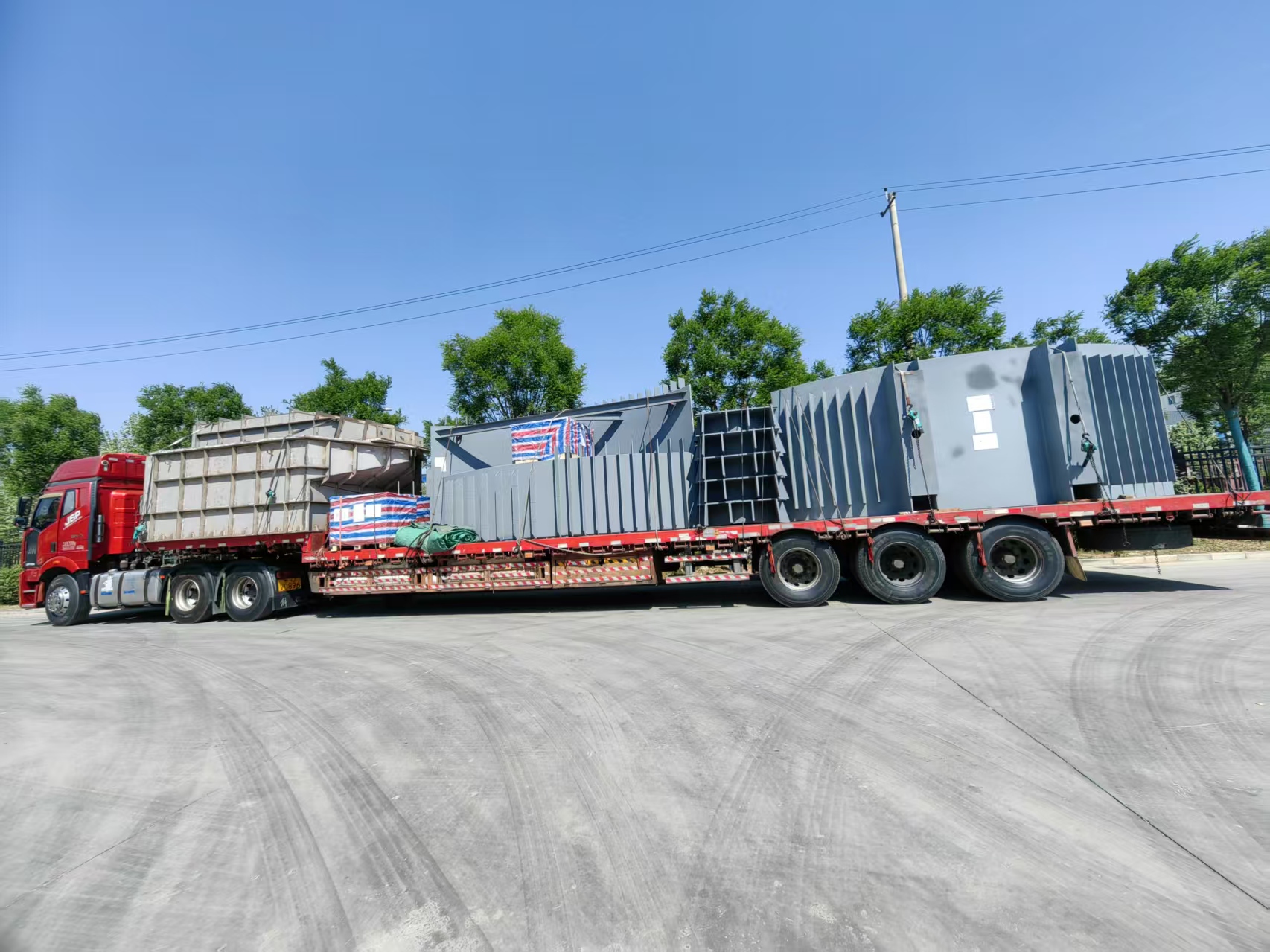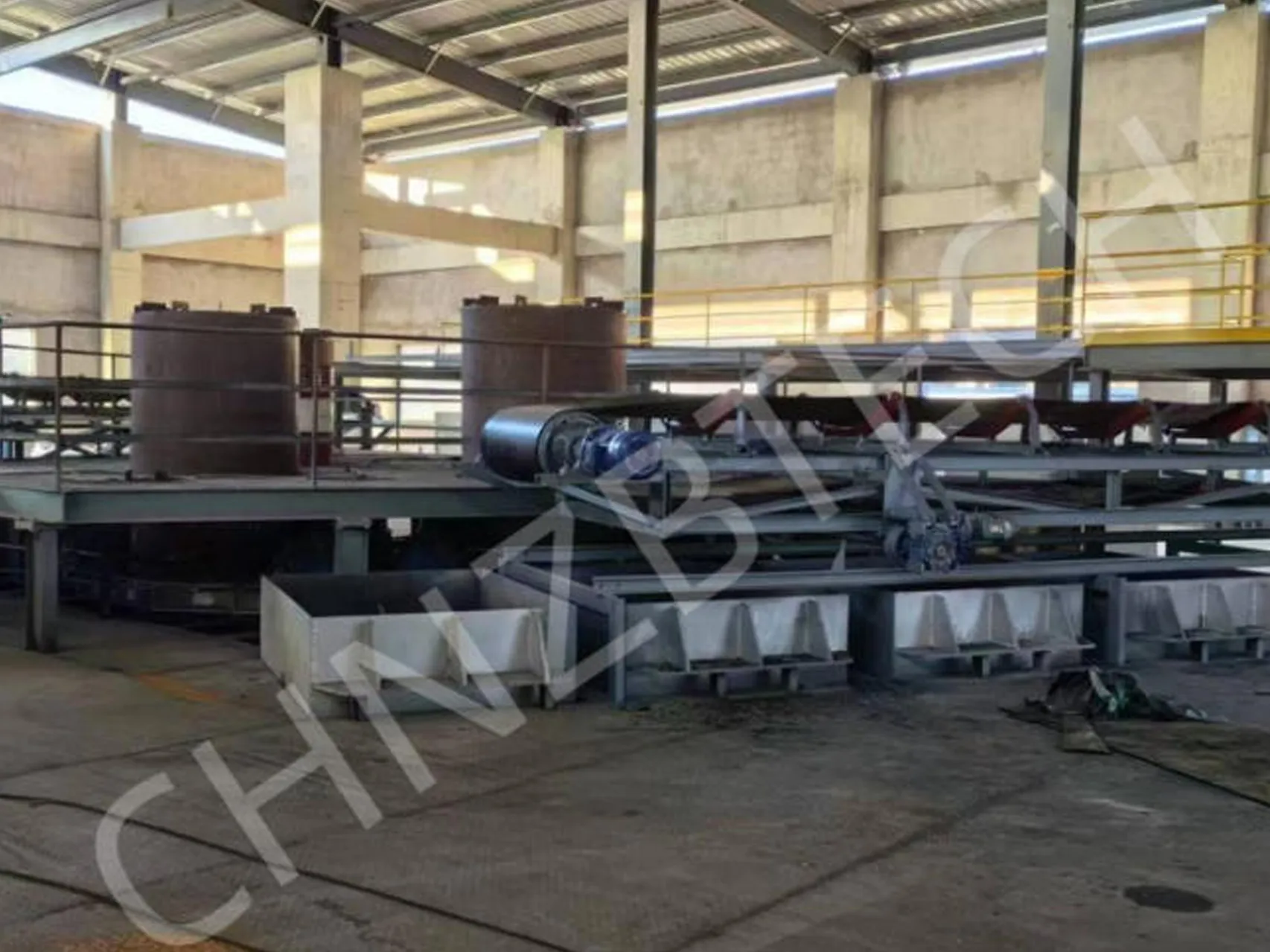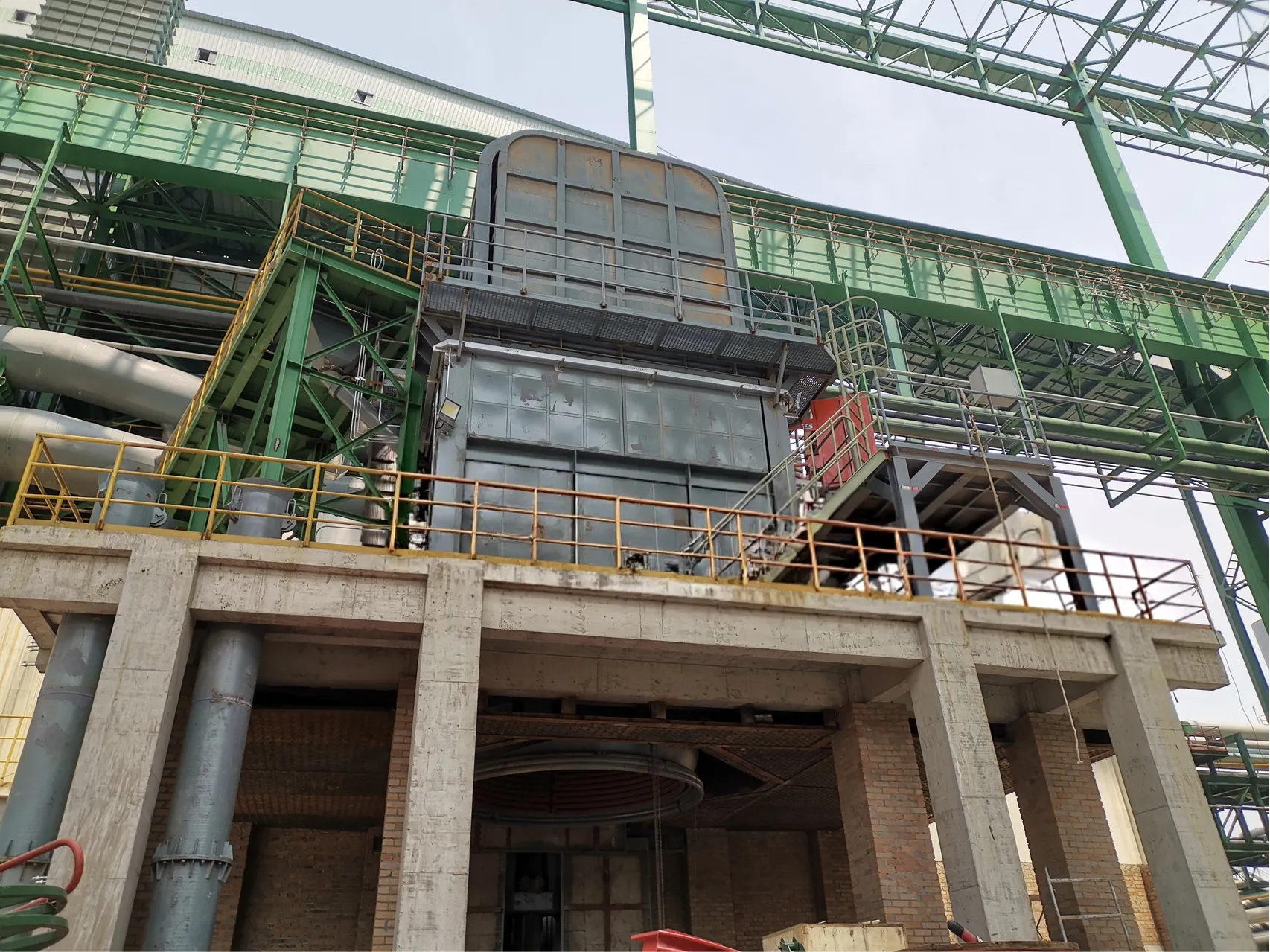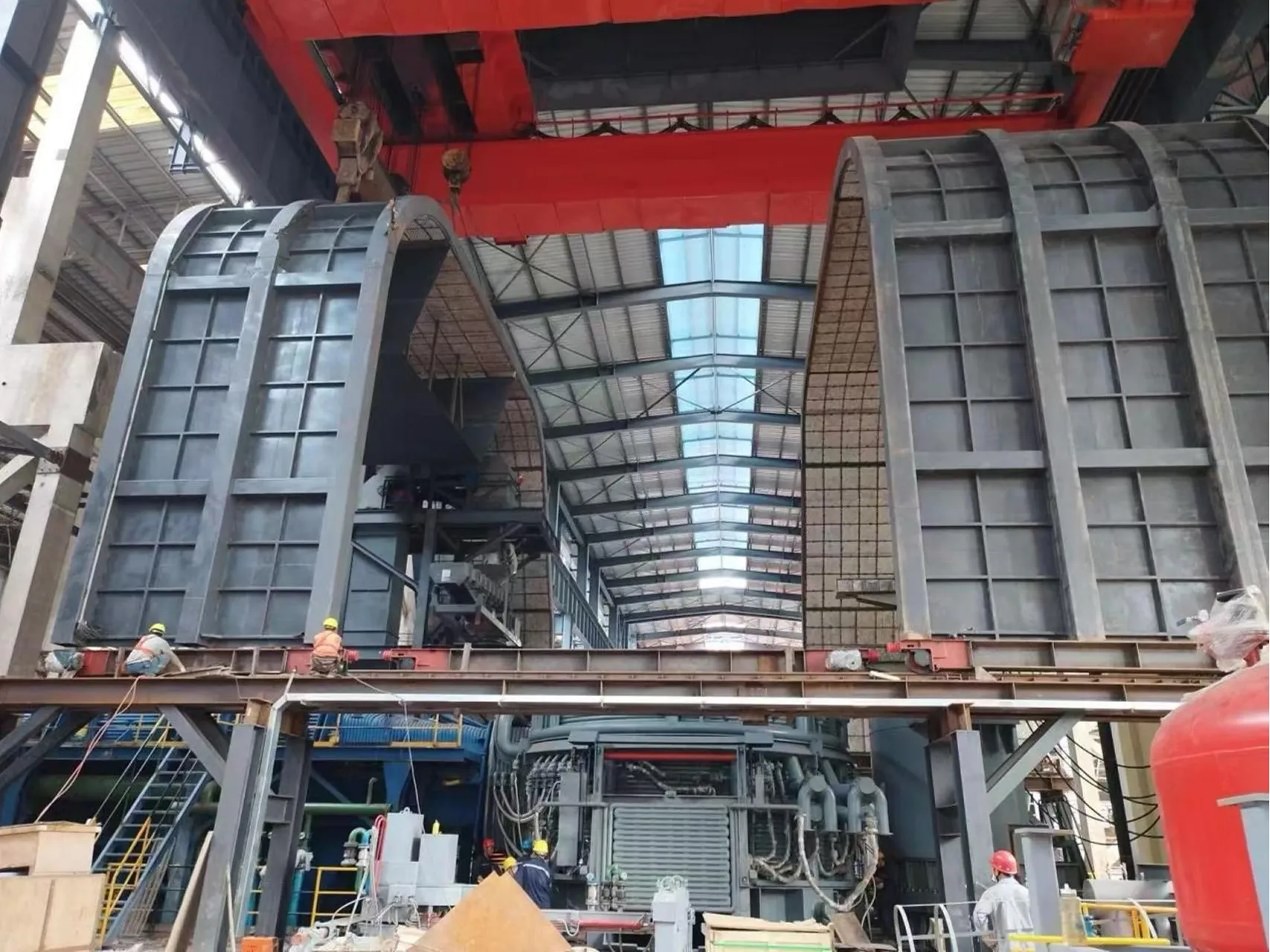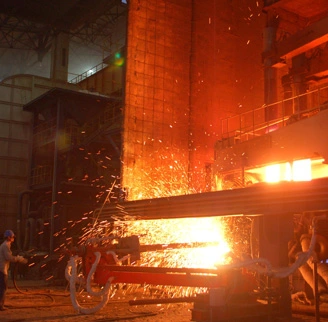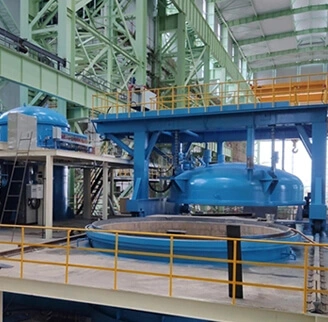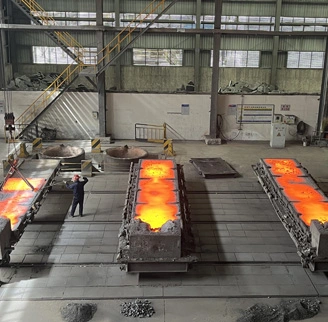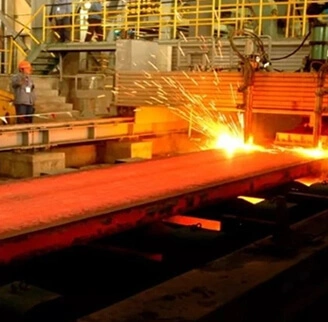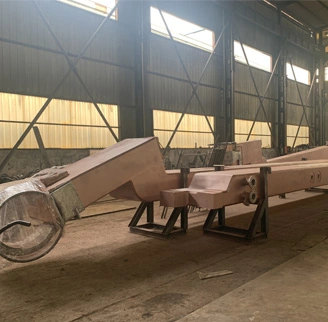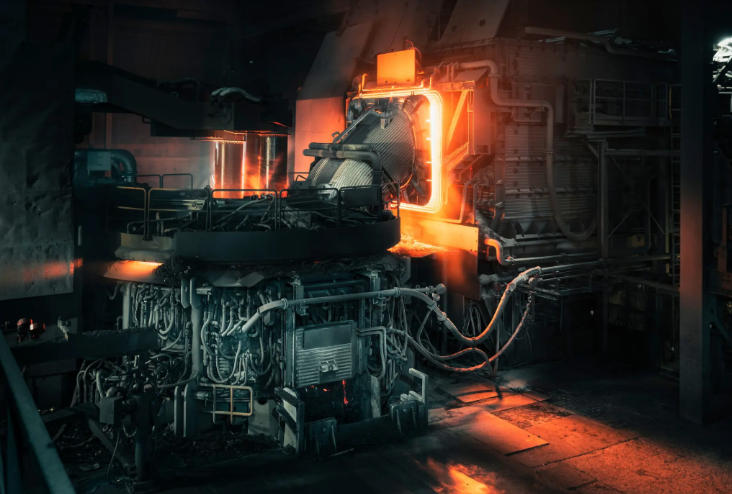
The Electric Arc Furnace (EAF) is a core piece of modern steelmaking equipment. It uses the high-temperature arc (approx. 3000–4000°C) generated between three graphite electrodes and scrap steel as its heat source to melt metal materials into qualified molten steel. As a leading solution provider in this field, CHNZBTECH offers advanced EAF technology and integrated engineering services to help steelmakers boost efficiency and sustainability.
1. Furnace Cleaning and Refractory Repair
Before smelting, residual steel and slag are removed, and eroded areas of the furnace lining are repaired. This step is vital for protecting the furnace and ensuring the stability of the next heat. CHNZBTECH provides customized refractory lining solutions and automated cleaning systems to minimize downtime and extend furnace life.
2. Charging and Batching
Raw Materials: The primary charge is scrap steel (over 70%), often supplemented with a small amount of pig iron (typically ≤30%) to adjust carbon content. All materials must be clean, correctly sized, and free of harmful elements like lead or tin, as well as sealed containers.
Batching: Based on the target steel grade, different types of scrap are precisely calculated and proportioned to ensure a dense, uniform charge that melts evenly.
Charging: The general principle is "dense at the bottom, loose at the top; higher in the center, lower at the sides." This prevents "bridging," stabilizes the arc, and improves melting efficiency.
CHNZBTECH supplies intelligent charging systems that optimize material distribution for faster melting and lower power consumption.
3. Melting Period
This is the most time-consuming stage, accounting for over half of the total smelting time and electricity consumption.
Arc Initiation: Medium power is used to protect the furnace roof.
"Piercing the Well": Power is increased to its maximum, allowing the electrodes to "drill" into the scrap and melt it rapidly.
Melting Completion: As a molten pool forms, the electrodes rise. Lime and other fluxes are added in batches to form an initial slag, which stabilizes the arc and removes impurities.
Assisted Heating: Modern EAFs often use oxygen injection and fuel (oil/gas/pulverized coal) to shorten melting time and reduce power consumption. CHNZBTECH's high-efficiency oxygen lance systems and intelligent power control technologies help customers achieve significant energy savings and higher productivity.
4. Oxidation Period
Once the charge is fully melted, this stage begins. Its main tasks are:
Decarburization & Dephosphorization: Oxygen or ore is blown in to oxidize carbon and phosphorus into the slag. The endpoint phosphorus content is typically controlled below 0.010–0.015%.
Degassing & Inclusion Removal: The CO bubbles generated by the carbon-oxygen reaction cause the molten steel to "boil," effectively removing hydrogen, nitrogen, and non-metallic inclusions.
Temperature Rise: The steel's temperature is raised to about 10–20°C above the tapping requirement.
Slag Removal: The highly oxidized, high-phosphorus slag must be completely removed to prepare for the refining stage. CHNZBTECH offers advanced off-gas analysis and dynamic slag control systems to ensure precise process control and consistent steel quality.
5. Refining Period
After slag removal, the steel enters the critical refining stage:
Slag Formation: A thin, strongly reducing slag (e.g., a "white slag") is quickly formed to create the right conditions for deoxidation and desulfurization.
Deoxidation & Desulfurization: Deoxidizers like carbon powder, ferrosilicon, and aluminum are added. The high basicity and reducing slag effectively removes sulfur.
Final Adjustments: Based on analysis, alloying elements are added to precisely adjust the steel's composition to the target range, while carefully controlling the temperature. With CHNZBTECH’s process control models and alloying optimization tools, steelmakers can achieve tighter composition control and reduce alloy consumption.
6. Tapping and Casting
When the steel's composition and temperature are both qualified, tapping begins. The molten steel flows from the tap hole into a ladle for secondary refining or is sent directly for casting into billets, blooms, or ingots. CHNZBTECH also provides ladle heating, alloy feeding, and casting integration solutions to ensure a smooth transition from furnace to final product.
Six Key Advantages of EAF Steelmaking
Compared to the traditional "blast furnace–basic oxygen furnace" (BF-BOF) long process, EAF steelmaking offers significant benefits:
1. Flexible Raw Materials & Circular Economy
EAF primarily use scrap steel, directly utilizing urban "waste steel resources." This is a prime example of a circular economy and aligns with sustainable development goals. CHNZBTECH supports customers in designing flexible raw material strategies and advanced scrap pre-treatment systems to maximize resource efficiency.
2. Low-Carbon & Environmentally Friendly
As electricity is the energy source, EAF avoid the large CO₂ emissions from coal combustion in blast furnaces. When powered by "green electricity," they can achieve near-zero carbon emissions. Their carbon intensity is only about 20% of the traditional long process, with energy consumption per ton of steel reduced by over 60%. CHNZBTECH is committed to helping steel plants reduce their carbon footprint through high-efficiency EAF, waste heat recovery, and smart energy management systems.
3. High-Quality Products for Advanced Applications
EAFs allow for precise control of the furnace atmosphere and temperature, making them ideal for producing high-end steels like alloy, tool, and bearing steels, where composition and purity are critical. Valuable alloying elements suffer minimal losses. CHNZBTECH's advanced process control and ladle refining integration ensure that steelmakers can consistently meet the most demanding quality requirements.
4. Shorter Process & Lower Investment
The EAF "mini-mill" route omits front-end processes like coking and sintering. This results in a shorter construction cycle, smaller footprint, and lower capital and operating costs, making it ideal for locations closer to markets. CHNZBTECH provides turnkey EAF plant solutions, from engineering design to commissioning, helping customers get their projects up and running quickly and cost-effectively.
5. Flexible Production & Intelligent Control
EAFs support batch production with flexible start-stop cycles, making them well-suited for "multi-variety, small-batch" orders. Integrated with automation and smart control systems, they can significantly boost productivity and lower energy use. CHNZBTECH's digital twin, process optimization algorithms, and intelligent control systems enable real-time monitoring and optimization of the entire EAF operation.

 EN
EN
 fr
fr  ar
ar  fa
fa