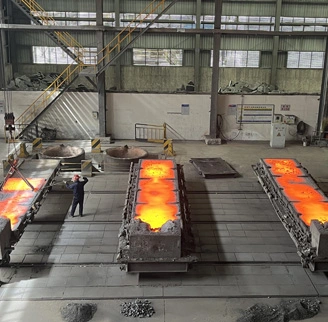
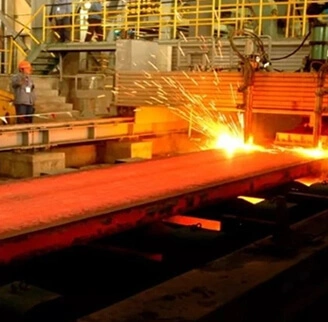
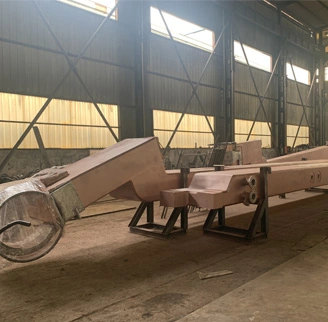
In today’s industrial world, sustainability and environmental responsibility are no longer optional—they are essential for long-term business success. At CHNZBTECH, we recognize that as a leader in the production of steelmaking equipment and spare parts, we have a crucial role to play in reducing the Product Carbon Footprint (PCF) of the steel industry. Moreover, we are closely monitoring the evolving regulatory landscape, including the Carbon Border Adjustment Mechanism (CBAM), to ensure that our products and operations align with global environmental standards.
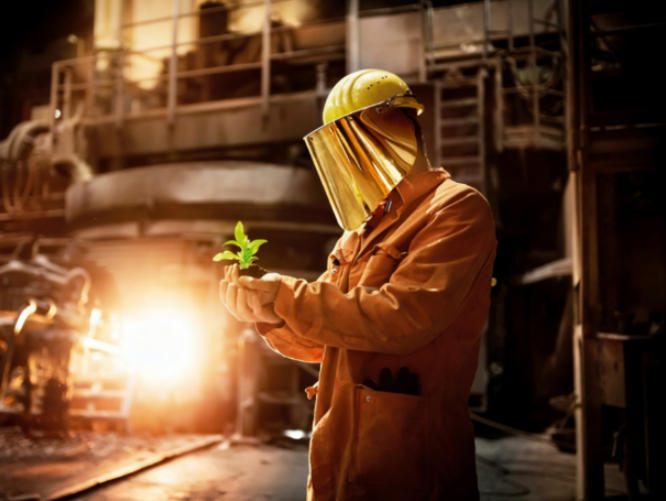
Understanding Product Carbon Footprint (PCF) in Steelmaking
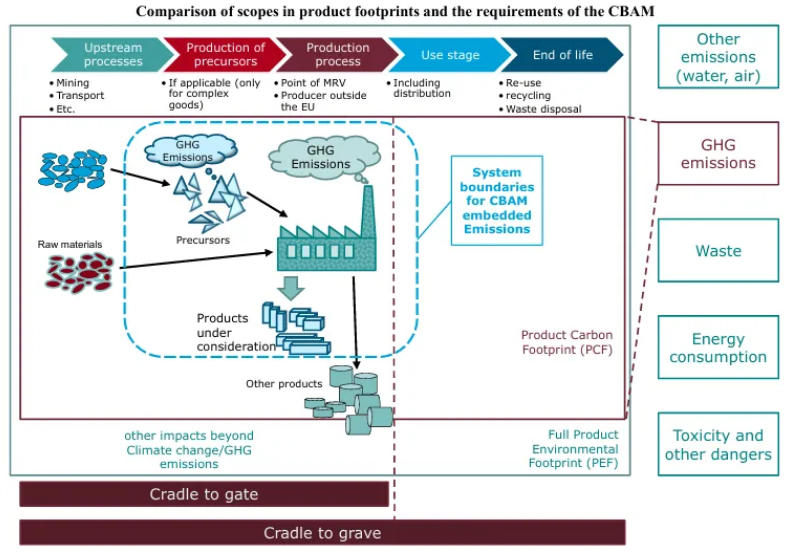
The Product Carbon Footprint (PCF) refers to the total greenhouse gas (GHG) emissions generated throughout the life-cycle of a product, from raw material extraction to end-of-life disposal. In the steelmaking industry, this footprint can be significant due to the energy-intensive processes involved in smelting, casting, and shaping steel.
However, by focusing on innovation and efficient engineering in steelmaking equipment, we aim to reduce the carbon emissions of our products and contribute to the wider effort to decarbonize the industry.
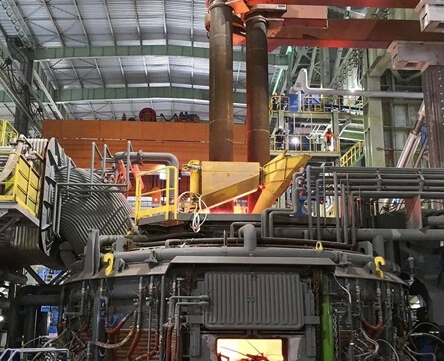
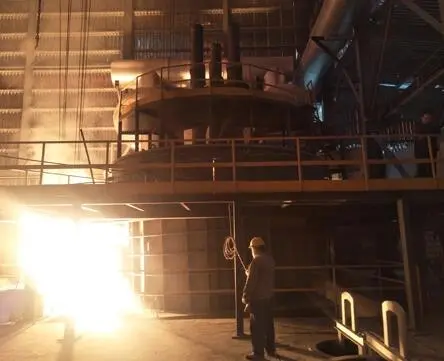
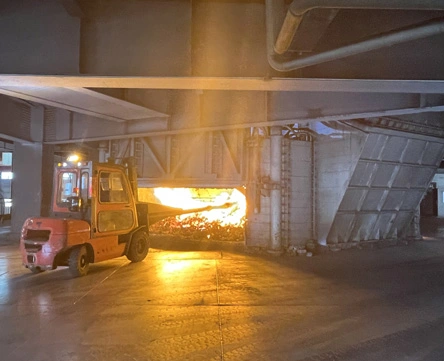
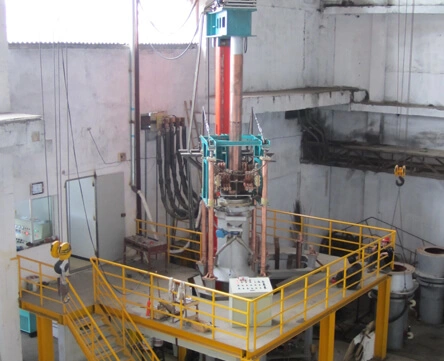
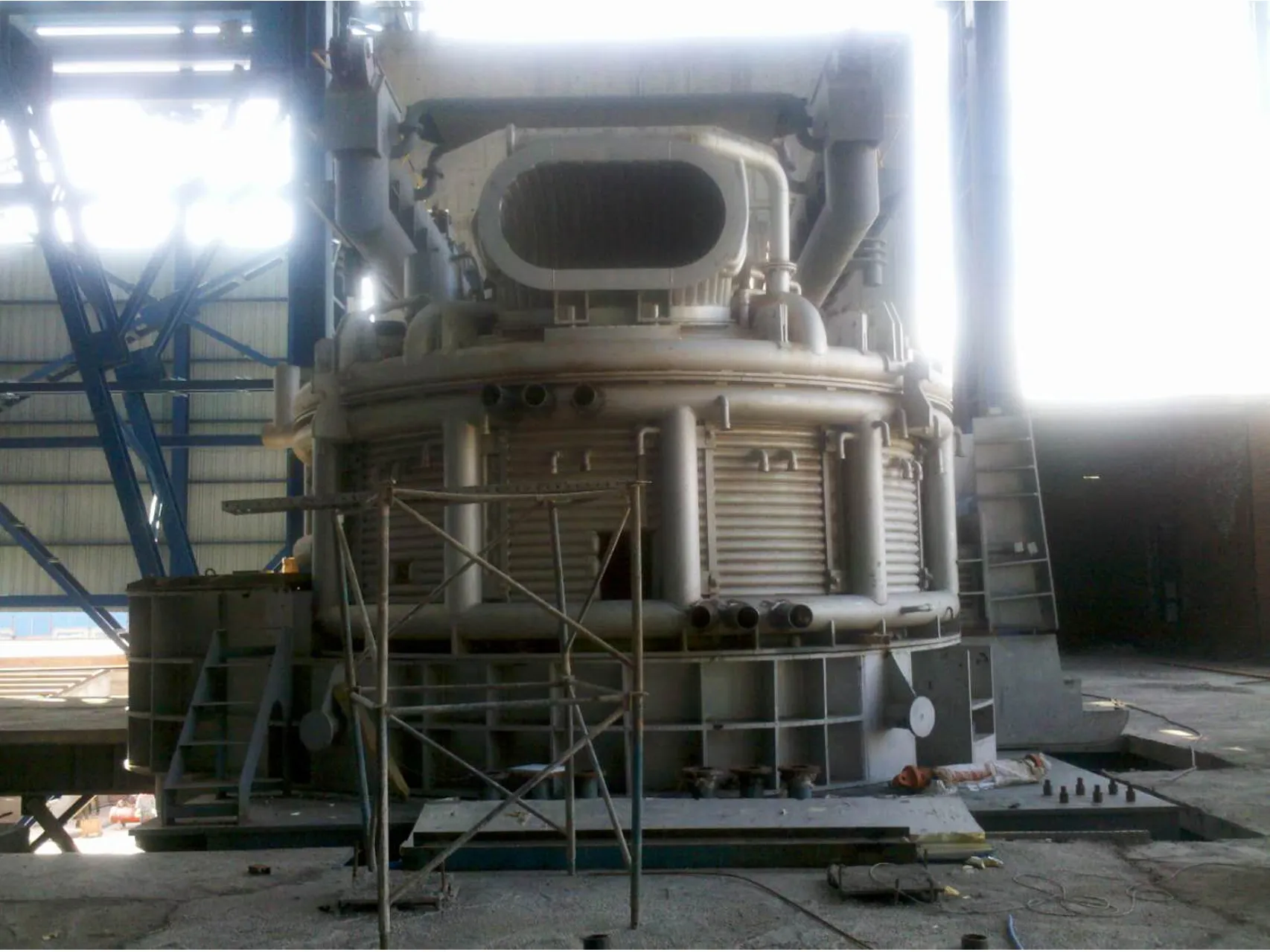
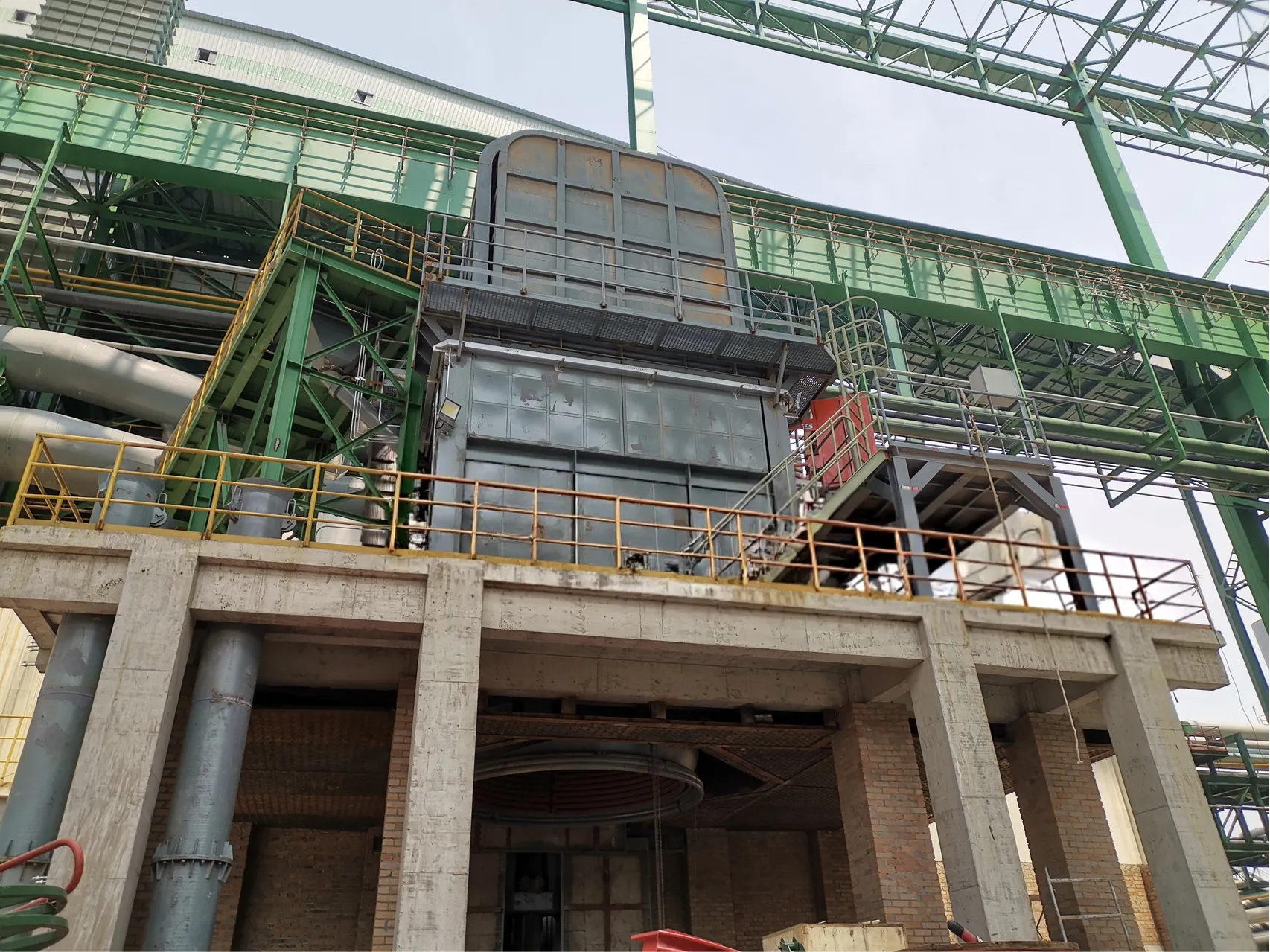
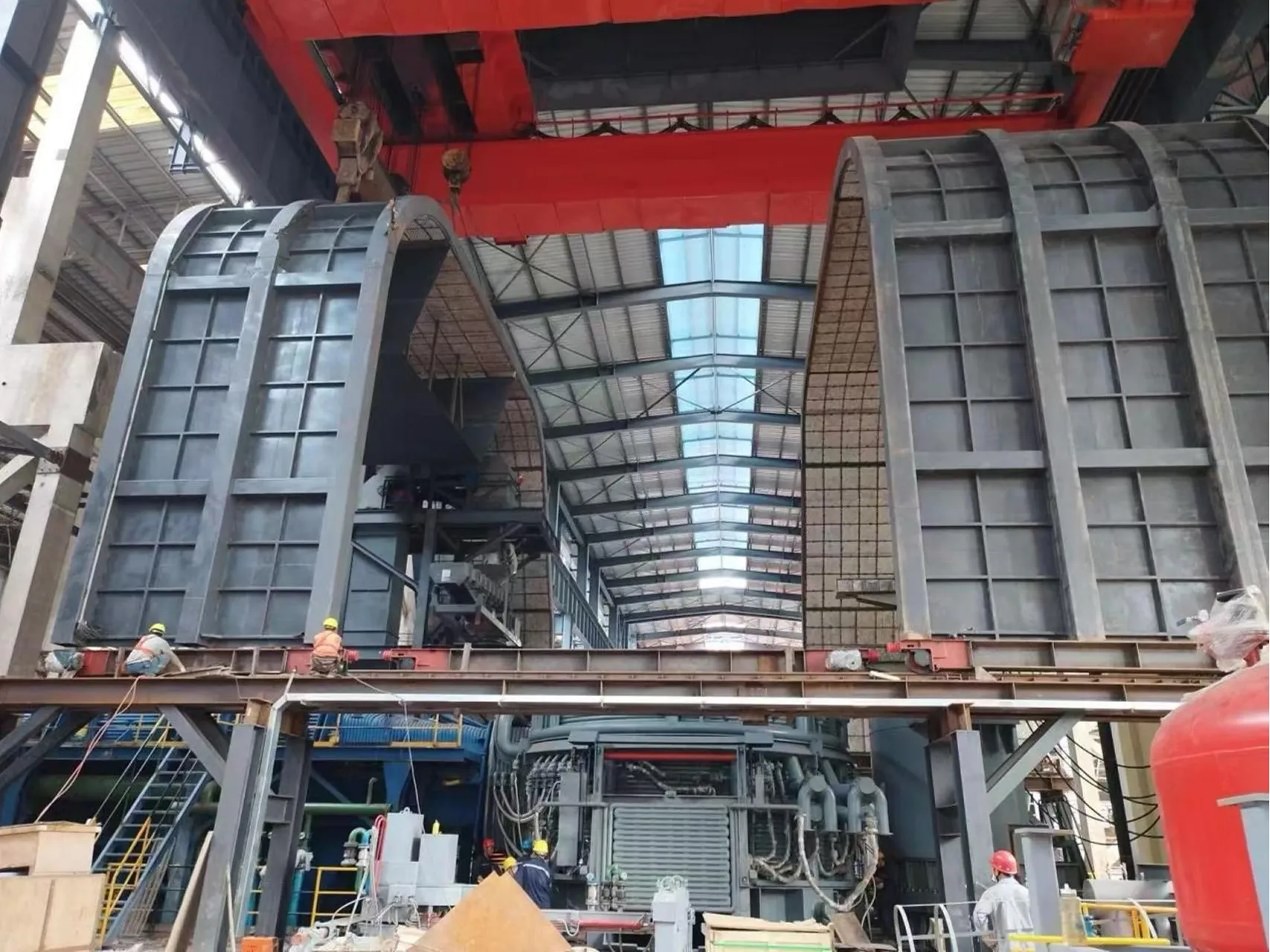
At CHNZBTECH, we design and manufacture steelmaking equipment that prioritizes energy efficiency and sustainability. By improving the efficiency of furnaces, electric arc technologies, and other critical components, we help our customers reduce their own carbon footprints during steel production. Additionally, we provide spare parts and maintenance solutions that enhance the operational efficiency of existing steel mills, further lowering their emissions over time.
Through these efforts, we are committed to reducing the carbon footprint associated with our products and supporting the steel industry in its transition to a greener, more sustainable future.
The Role of CBAM in the Steel Industry
As the global push to address climate change intensifies, many governments are introducing measures to prevent “carbon leakage,” which occurs when companies relocate their production to countries with weaker environmental regulations. One such mechanism that has gained considerable attention is the Carbon Border Adjustment Mechanism (CBAM), particularly in the European Union.
The CBAM aims to impose a carbon price on imported goods that are produced in countries with less stringent environmental regulations. This ensures that businesses within regions like the EU are not at a competitive disadvantage, encouraging foreign producers to adopt similar carbon reduction measures.
For the steel industry, this is a critical issue. Steel production is one of the most energy-intensive industries globally, and many countries still rely on high-emission processes. With the implementation of CBAM, European manufacturers will face a carbon price on steel imports based on the CO₂ emissions embedded in those products.
At CHNZBTECH, we are proactive in helping our customers navigate these changes. By providing steelmaking equipment and spare parts that reduce energy consumption and optimize production processes, we enable steel producers to lower their emissions and avoid the potential cost impact of CBAM. Our focus on innovation and sustainability ensures that our products are ready for the evolving regulatory environment and that our customers can maintain their competitiveness in a low-carbon economy.
Our Commitment to a Sustainable Future
As a key player in the steelmaking equipment and spare parts industry, CHNZBTECH is dedicated to fostering a more sustainable future. We continually invest in R&D to improve the efficiency of our products, helping steel producers reduce both their environmental impact and operational costs. Through close collaboration with our clients, we identify opportunities to optimize production, extend the life cycle of equipment, and support the transition to cleaner technologies.
We also stay ahead of emerging regulations such as the CBAM, ensuring that our customers are not only compliant but are also leaders in the global shift towards a low-carbon economy. By making environmentally responsible choices in the design and manufacturing of steelmaking equipment, we are doing our part to reduce the Product Carbon Footprint (PCF) of the steel industry.
In conclusion, sustainability is at the core of everything we do. From reducing the carbon footprint of steelmaking equipment to helping our customers navigate carbon regulations like the CBAM, CHNZBTECH is proud to be a part of the solution in building a greener, more sustainable steel industry. Together, we can forge a future that balances industrial progress with environmental responsibility.

 EN
EN
 fr
fr  ar
ar  fa
fa