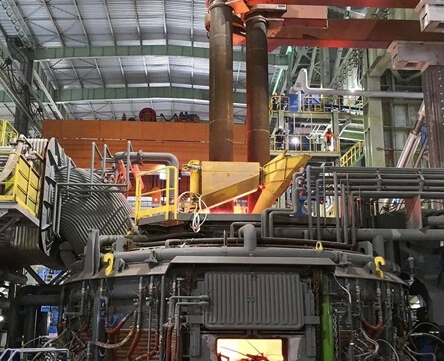
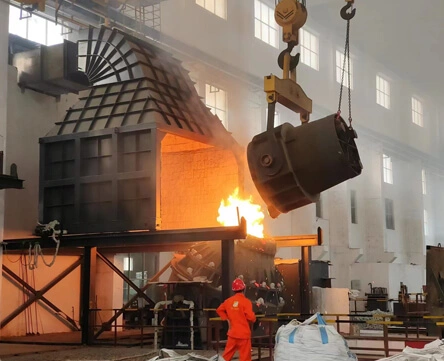
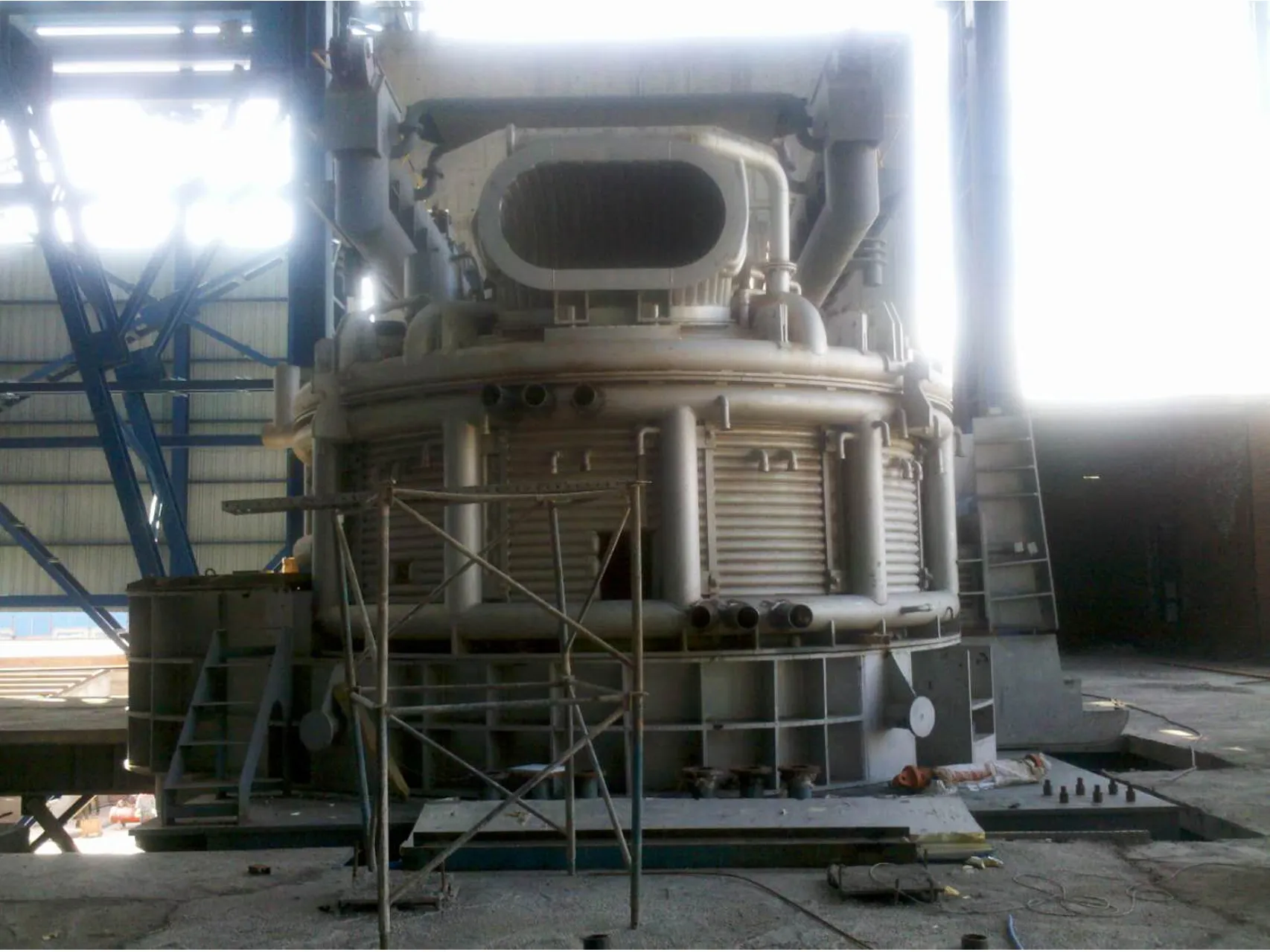
In metallurgical, smelting, and high‑temperature furnace operations, accelerated erosion of the furnace wall is a very common equipment issue. When the wear rate exceeds normal limits, it not only increases refractory consumption and maintenance frequency but can also cause localized overheating, deformation, and even disrupt production continuity and on‑site safety.
Many plants tend to simply thicken the lining or patch frequently when facing such problems, but these measures often treat the symptoms rather than the root cause. This article offers field‑proven insights into the common causes of rapid wall erosion, quick diagnostic methods, and actionable improvement measures to help stabilize equipment operation.
1. Common Causes of Accelerated Furnace Wall Erosion
Rapid lining wear is usually not caused by a single factor but results from the combined effects of high temperature, molten material erosion, chemical attack, and thermal stress.
1.1 Chemical Attack by High‑Temperature Melt and Slag
Prolonged contact between molten slag, liquid metal, and refractory materials triggers chemical reactions that form low‑melting‑point compounds, gradually dissolving and eroding the lining. This is most pronounced in the slag line area and along flow paths of the melt.
1.2 Mechanical Impact and Fluid Scour
Raw material charging, material drop impact, and high‑velocity flow during tapping all continuously scour the furnace wall. Areas such as corners, the furnace mouth, and tapping outlets are particularly prone to localized wear and spalling, significantly accelerating overall erosion.
1.3 Thermal Shock Spalling Due to Temperature Fluctuations
Frequent start‑ups and shutdowns, excessive heating or cooling rates, and large temperature swings cause the refractory to expand and contract repeatedly. This generates internal stress, leading to cracks and spalling, which in turn speeds up wall damage.
1.4 Lining Structure and Installation/Maintenance Issues
Mismatched refractory selection, oversized joint gaps, insufficient ramming density, or failure to perform timely hot repairs allow erosion to spread rapidly from weak points, drastically shortening overall service life.
2. How to Quickly Identify Abnormal Wall Erosion
On‑site operators can use the following signs to determine whether erosion is occurring too quickly:
Localized temperature rise on the furnace shell, visible reddening or hot spots
Localized depressions, spalling, or increased flaking on the wall
Significantly higher refractory consumption and noticeably shorter maintenance intervals
Faster wear at the slag line compared to other areas
During shutdown inspection, lining thickness loss exceeds historical averages
If any of these conditions appear, the wall erosion can generally be considered abnormally accelerated.
3. Practical Mitigation Measures for Wall Erosion
3.1 Optimize Process Operations to Reduce External Impact
Control charging height and method to reduce direct impact of raw materials on the wall.
Regulate melt flow velocity to minimize scouring of the slag line and wall.
Stabilize furnace atmosphere and temperature range, avoiding frequent large fluctuations.
3.2 Select Appropriate Refractory Materials and Reinforce Critical Zones
Based on steel furnace temperature and slag characteristics, choose refractories with better resistance to corrosion and thermal shock.
Locally reinforce vulnerable areas such as the slag line, corners, and inlets/outlets to improve overall uniformity.
Ensure high‑quality bricklaying and ramming – reduce joint gaps and increase lining density.
3.3 Strengthen Hot Maintenance and Promptly Repair Defects
Establish a regular inspection schedule to identify early issues like cracks, pits, and spalling.
Use hot repair techniques such as gunning or pressure injection to fix small defects before they expand.
Develop a preventive maintenance plan based on erosion rate to reduce unplanned downtime risk.
3.4 Improve Furnace Structure and Auxiliary Protection
Optimize the structural shape in severely scoured areas to reduce vortex formation and localized erosion.
Use appropriate insulation and heat‑retention structures to lower thermal stress caused by temperature differences across the lining.
Apply protective design measures in key zones to further slow erosion.
4. Conclusion
Rapid furnace wall erosion is essentially the result of interactions among operating conditions, materials, structure, and maintenance. To fundamentally improve the situation, one cannot rely solely on replacing refractories. Instead, a comprehensive approach is needed – including root cause diagnosis, process optimization, material matching, and routine maintenance.
With a systematic solution, plants can effectively reduce wall wear, extend furnace service life, lower repair costs, and ensure continuous, stable production.

 EN
EN
 fr
fr  ar
ar  fa
fa