Why Does Your Molten Steel Quality Fluctuate?
Many steel plants struggle with molten steel instability: inconsistent composition, hard-to-control impurities, and fluctuating rejection rates. People often focus on raw materials and operations while overlooking the fact that the steel melting furnace is the foundation of stable quality. If the equipment is not up to the task, even the most skilled operators will struggle to maintain quality. Hidden equipment issues are often the real culprits behind quality fluctuations.
Unstable Furnace Temperature – No Operator Can Save the Molten Steel
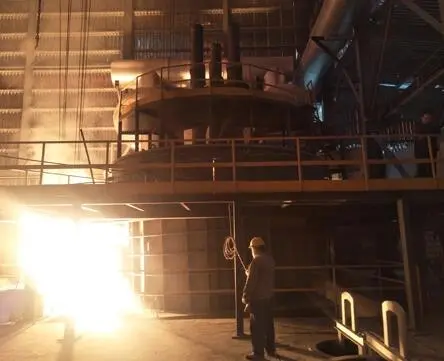
Molten steel is extremely sensitive to temperature. Even small temperature variations can affect deoxidation and alloying results, directly lowering quality. If the melting equipment has poor temperature control or unstable electric arcs, localized overheating or insufficient heating will occur, causing quality to swing. To achieve stable molten steel, you must first stabilize temperature – and that stability depends on a reliable electric steel melting furnace.
Gradual Lining Erosion – Impurity Issues Often Start Silently
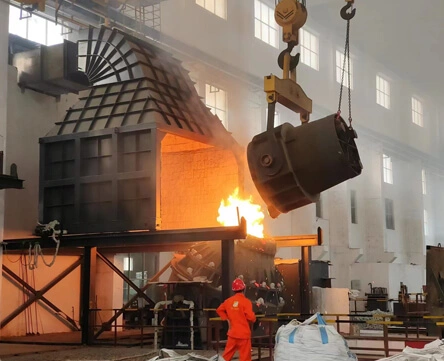
Lining erosion and poor sealing are hidden problems that many steel plants overlook. A worn lining allows impurities to infiltrate the molten steel; poor sealing leads to reoxidation and gas absorption, resulting in porosity and inclusions. If these small issues are not addressed, consistent quality will remain out of reach. The structural design and material choice of the furnace directly determine lining life and sealing effectiveness.
These Small Equipment Issues Are Silently Hurting Your Molten Steel Quality
Many plants blame operational errors or raw materials when molten steel quality fluctuates – unaware that subtle equipment anomalies are the real drivers. The table below maps common steel melting equipment problems to their corresponding quality risks, along with simple improvement directions.
| Common Equipment Issue | Corresponding Molten Steel Quality Risk | Suggested Improvement Direction |
|---|
| Unstable arc, slow temperature control response | Large temperature swings, inconsistent composition, increased inclusions | Optimize arc control, upgrade temperature control system |
| Rapid lining erosion, poor sealing | Excessive impurities, gas absorption in steel, porosity | Replace with suitable refractory materials, enhance furnace sealing |
| Mismatched melting and refining equipment | Insufficient cleanliness, excessive sulfur/phosphorus | Adopt a complete refining equipment set, improve coordination |
| Fast electrode consumption, unstable operation | Sudden furnace temperature changes, composition fluctuations | Optimize electrode design, improve equipment stability |
Want to Stabilize Molten Steel Quality? Choose the Right Steel Melting Furnace – Solve Recurring Fluctuations Once and for All
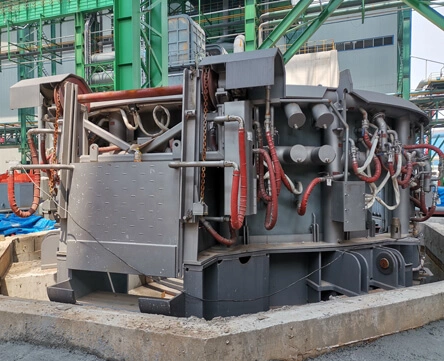
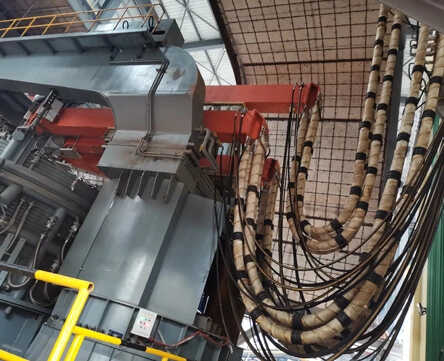
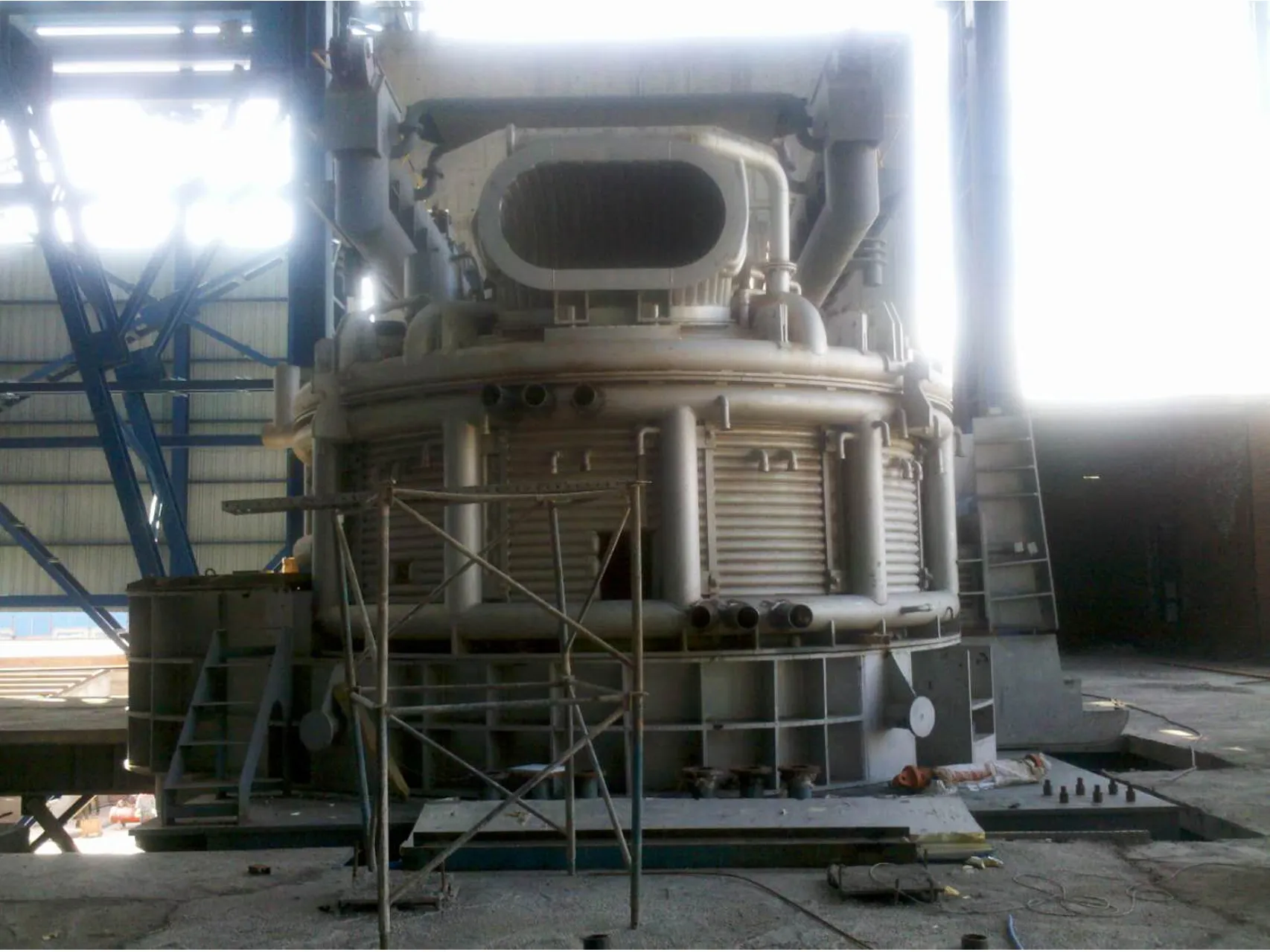
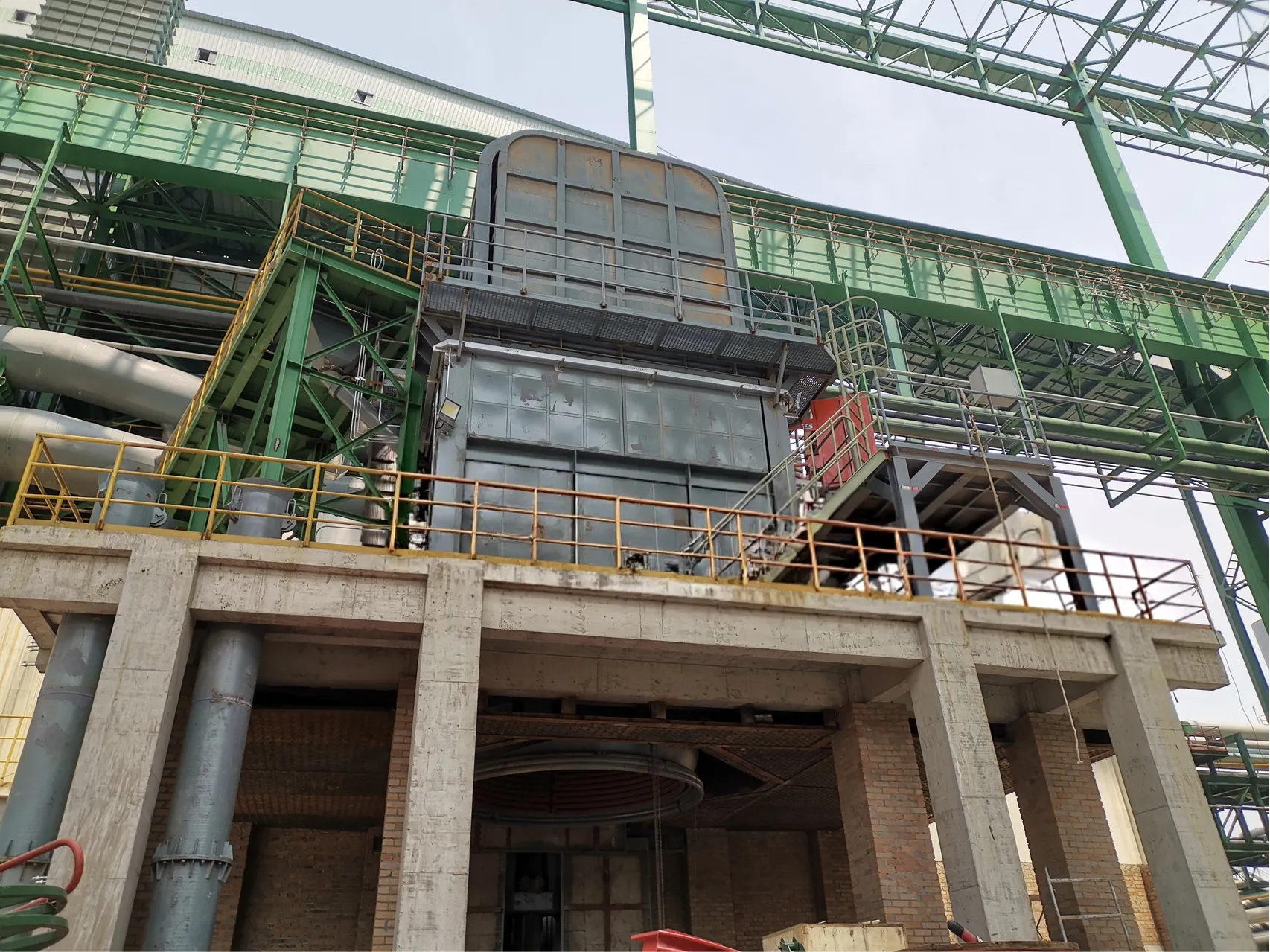
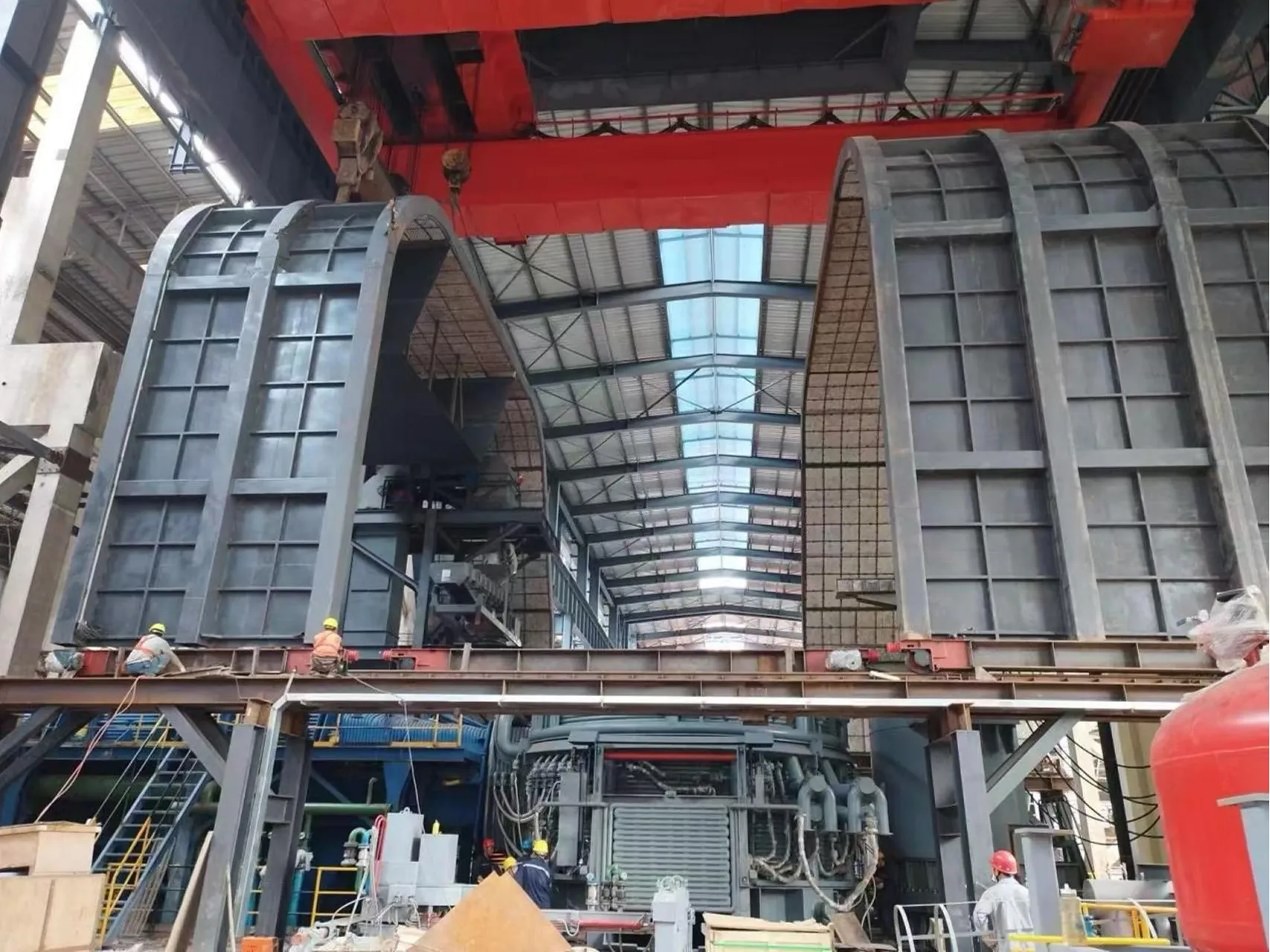
To fundamentally resolve molten steel instability, patching and adjusting are not enough. We specialize in providing complete metallurgical equipment – silicon ARC furnace, ladle refining furnaces, closed melting systems, and more – designed to address the exact issues listed in the table above.
Stable arc technology eliminates temperature swings.
High-quality refractory materials extend lining life and improve sealing.
Complete refining systems enhance molten steel purity, reducing quality fluctuations at the source.
These solutions help you stabilize quality, reduce rejection rates, and improve profitability.
Reliable equipment makes production worry‑free. Stable quality makes profitability sustainable. Whether you are building a new production line, retrofitting an old furnace, or upgrading existing equipment, we offer tailored solutions – from design and manufacturing to on‑site commissioning – ensuring full control over molten steel quality and freeing your plant from persistent quality fluctuations.

 EN
EN
 fr
fr  ar
ar  fa
fa