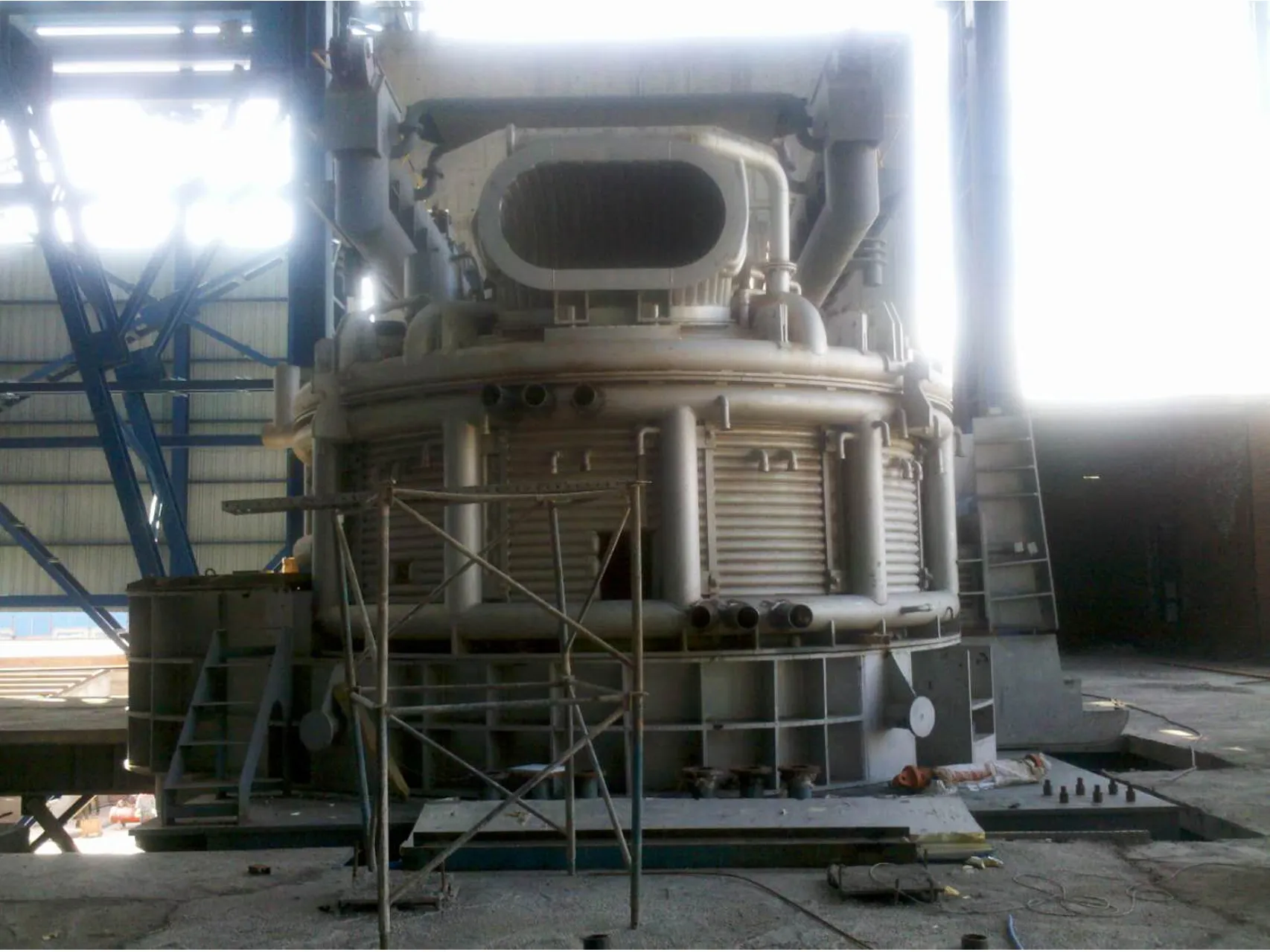
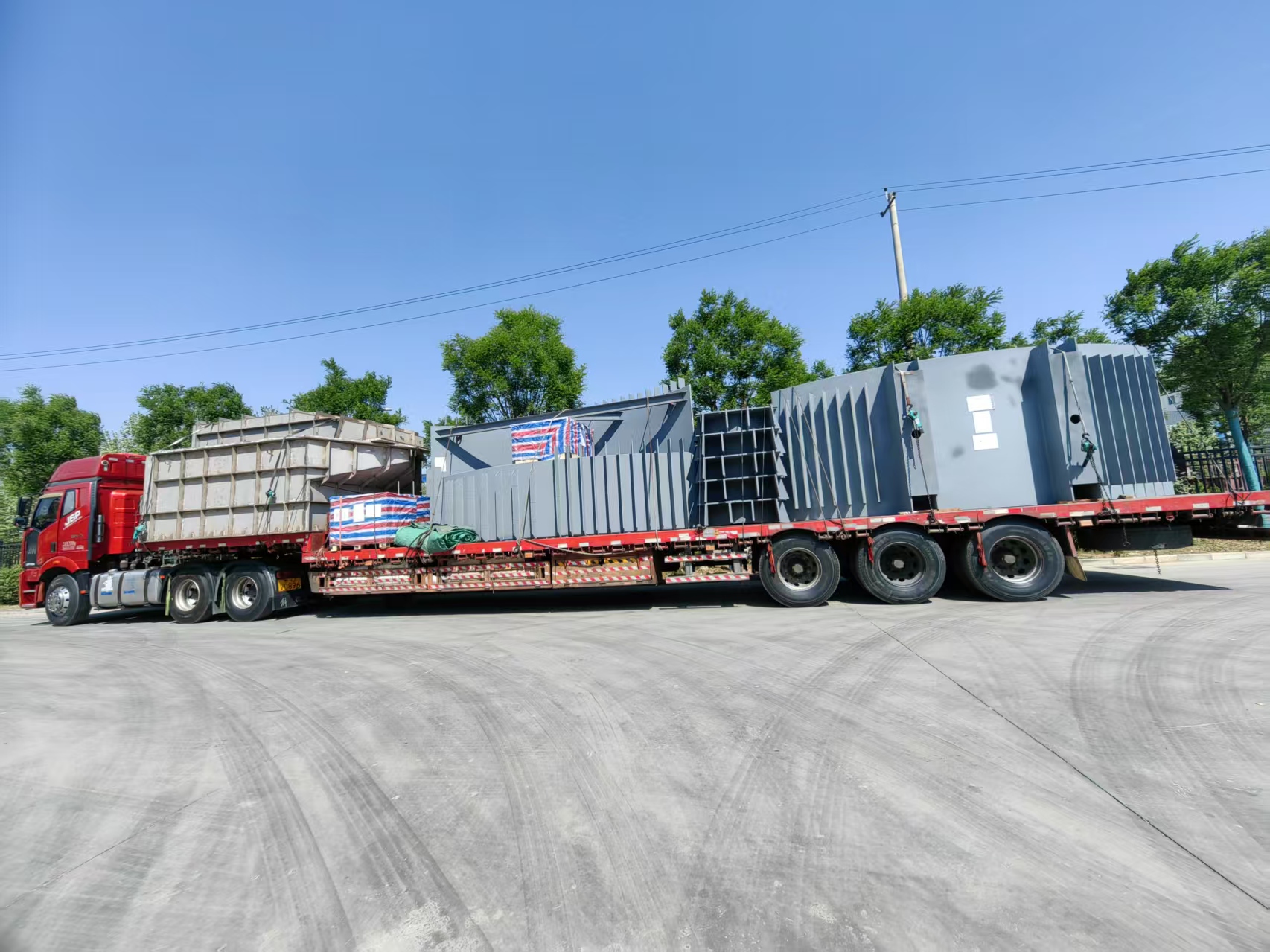
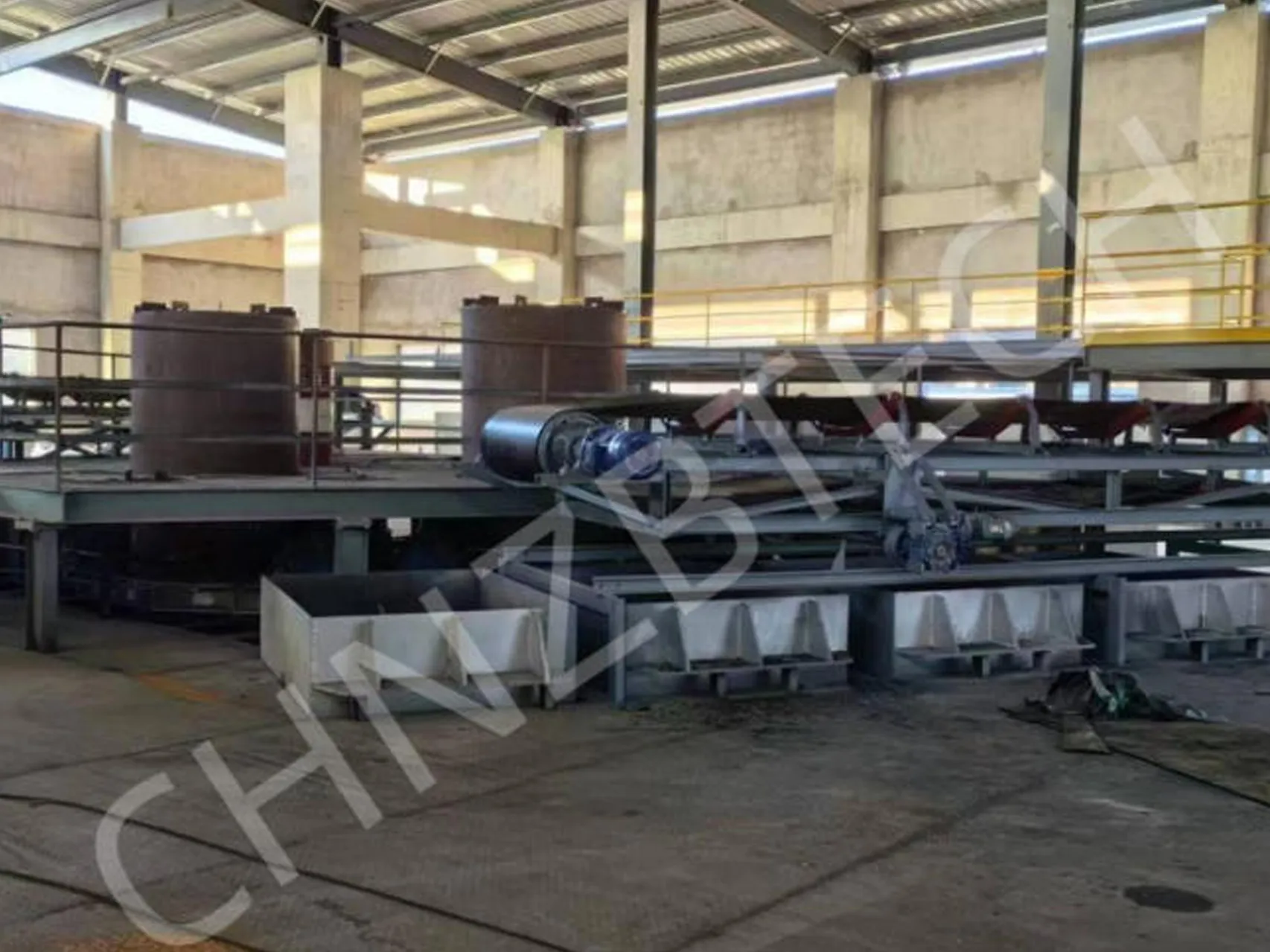
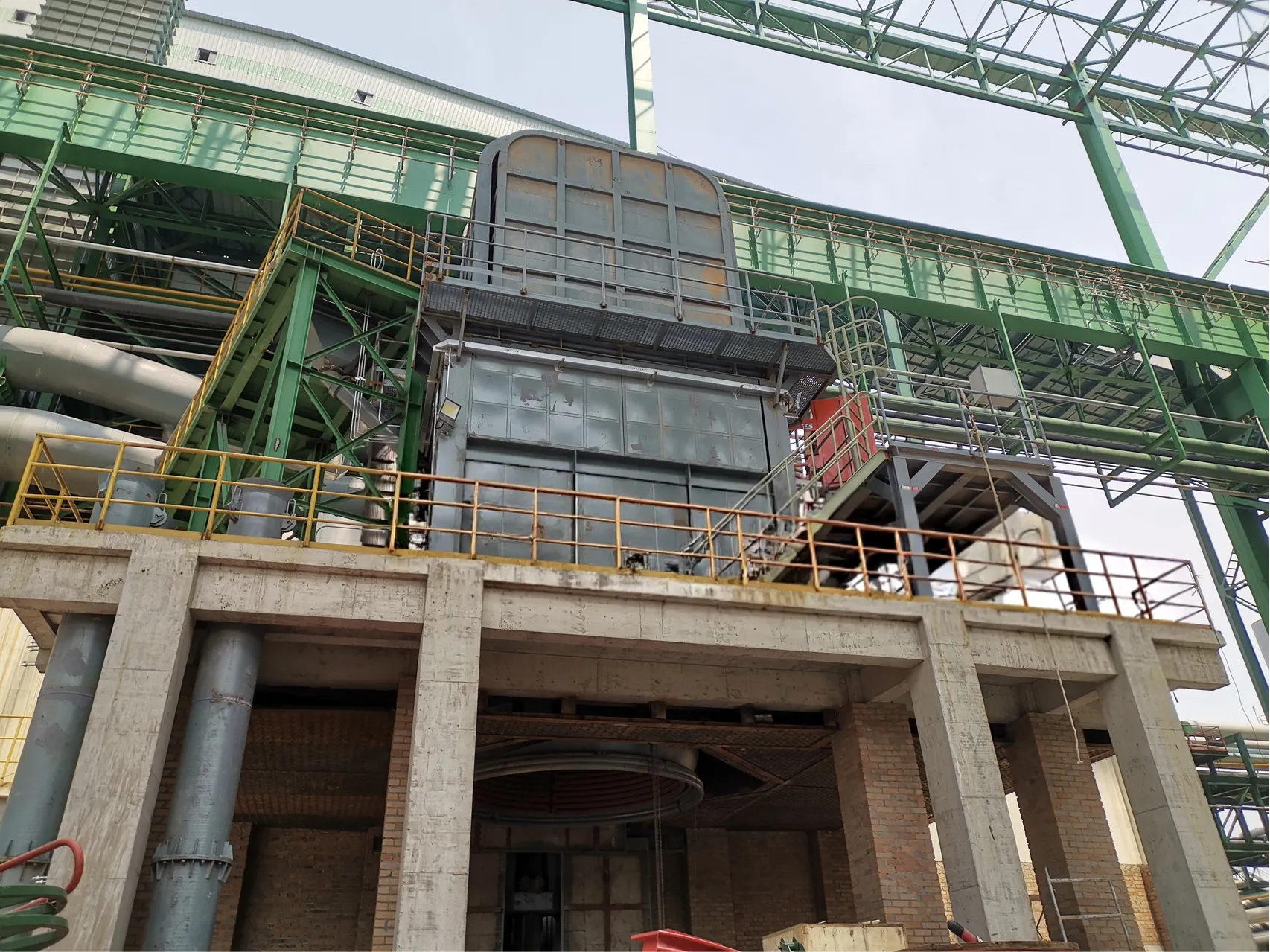
With fierce competition in the construction steel market and profit margins shrinking, many steel mills are eyeing the automotive steel sector – where margins are higher and demand is more stable. Yet, even though they already operate electric arc furnaces, many mills find themselves unable to enter automotive supply chains, stuck instead in low‑end price wars.
The truth is, the core gap between construction steel and automotive steel is not operator skill or raw material sourcing. It comes down to one thing: a complete steel refining system.
Construction Steel vs. Automotive Steel – Different Standards
Construction steel is used in buildings, structures, and general profiles. It has relatively loose requirements for molten steel purity, compositional accuracy, and surface quality. As long as basic strength is met and obvious defects are avoided, it passes.
Automotive steel, however, goes into body structures, safety components, and exterior panels – directly affecting vehicle safety, stamping performance, and paint finish. The standards are extremely stringent.
In short, construction steel meets basic functional needs, while automotive steel demands extreme consistency and extreme purity. Without refining furnaces, the molten steel from a basic AC EAF can only meet construction steel standards – it cannot reach automotive grade.
Without Refining Equipment, Purity Will Never Meet Automaker Requirements
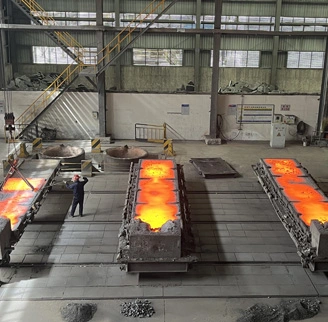
The first red line for automakers is low impurities, low sulfur and phosphorus, and low gas content. A basic EAF only melts scrap; it cannot effectively remove inclusions, harmful elements, or gases from molten steel. This can lead to stamping cracks, internal defects, and performance variations.
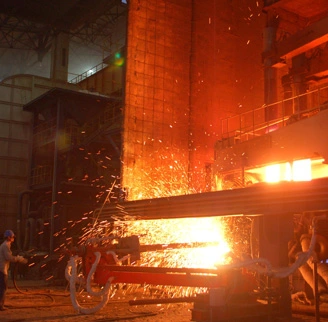
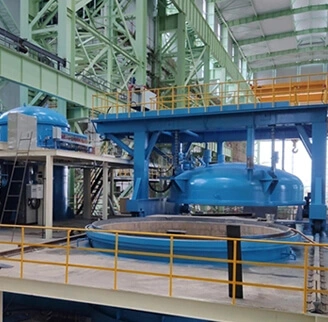
Refining equipment (LF, VOD, etc.) performs deep desulfurization, deoxidation, inclusion removal, and precise composition adjustment – dramatically improving both cleanliness and uniformity. Simply put, no refining means no qualified automotive steel. That is a hard technical threshold.
Uncontrolled Composition Fluctuations Will Keep You Out of Automotive Supply Chains
Automotive production lines are highly automated and run at high volumes. They require extremely consistent steel properties from batch to batch – consistent strength, elongation, and chemical composition. Any fluctuation can cause stamping line stoppages or part rejection.
A basic EAF without a refining stage struggles to control temperature and composition consistently. A refining furnace, on the other hand, provides precise temperature control and accurate composition adjustment, ensuring every heat meets the automaker's zero‑fluctuation, high‑stability requirements.
Automaker Audits: Missing Refining Equipment Means Immediate Disqualification
For a steel mill, the first step toward automotive steel orders is not quoting a price – it is passing the supplier audit. During an audit, automakers closely examine the melting process, refining configuration, and quality traceability system.
If your production line only has a basic EAF without supporting refining equipment, the auditor will immediately determine that you lack the capability to produce automotive steel – you won't even be invited to submit samples. Refining equipment has become the standard entry ticket for automotive steel suppliers.
Add a Refining System – Make the Leap from Construction Steel to Automotive Steel
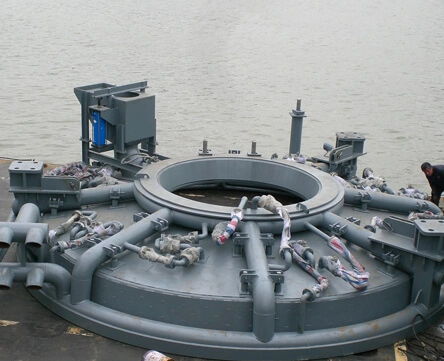
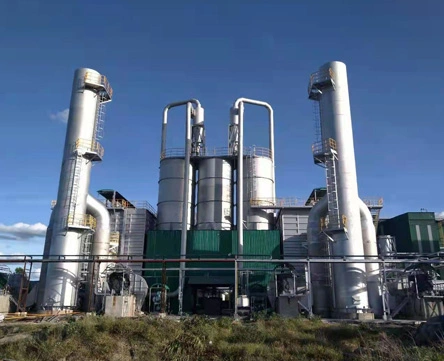
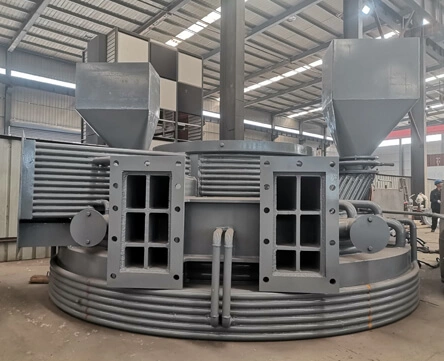
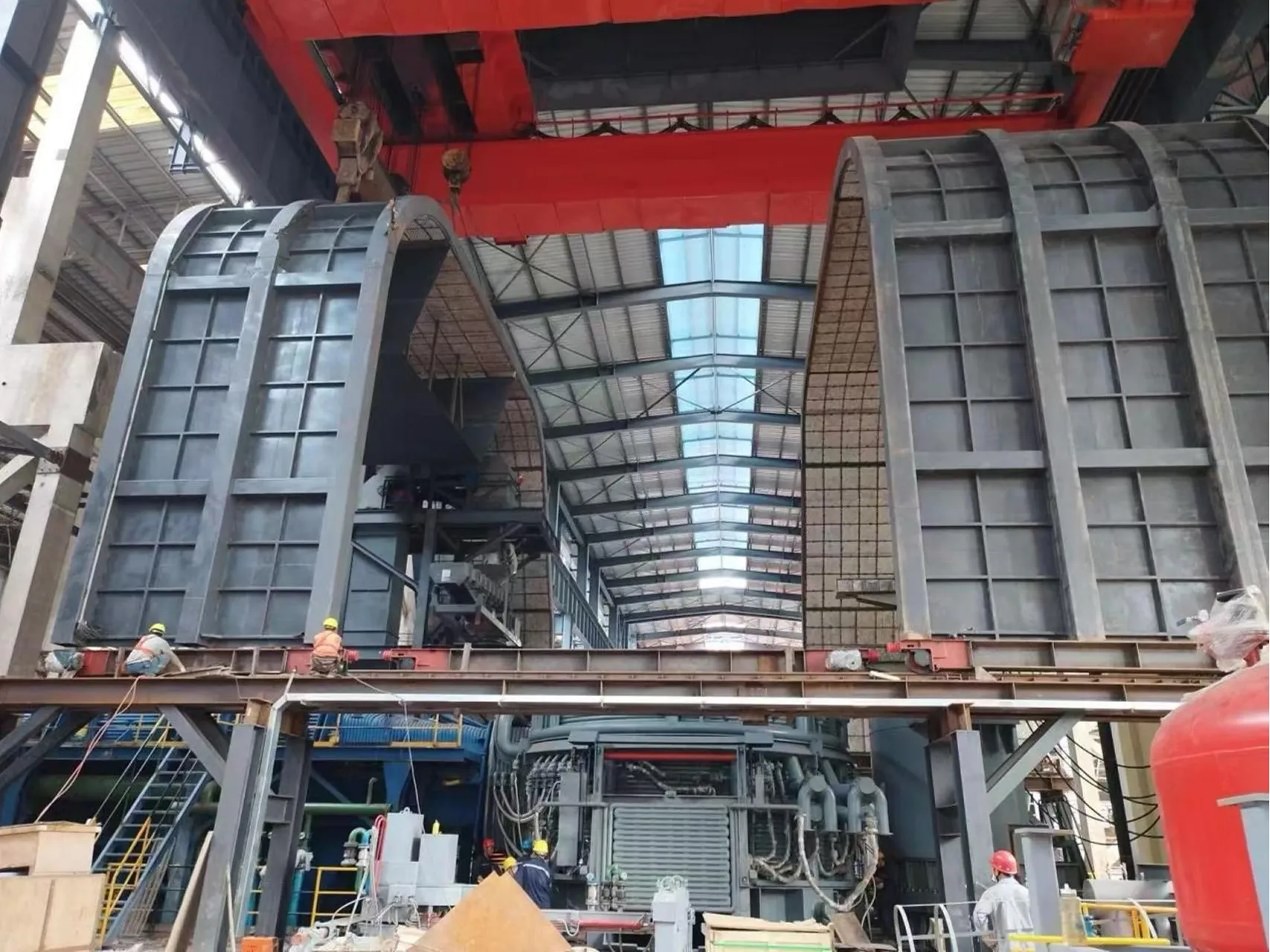
Upgrading from construction steel to automotive steel does not require tearing down your entire production line. By adding an LF ladle refining furnace, vacuum degassing unit, or other refining equipment to your existing EAF line, you can quickly close the quality gap.
After the upgrade, your mill can start with ordinary automotive structural steel. With the capability in place, you can then move into higher grades such as high‑strength steel and automotive sheets – completely escaping low‑price competition and entering the high‑margin automotive supply chain.
The construction steel market is overcrowded, but the automotive steel sector offers vast opportunities. Many mills have the ability to upgrade – they just haven't identified the real bottleneck. One steel refining system is the critical step from low‑end to high‑end production.
We specialize in complete metallurgical equipment – LF ladle furnaces, VOD vacuum degassing units, and integrated EAF+LF systems. We offer custom upgrade solutions to help you pass automaker audits and enter the automotive steel market with confidence.

 EN
EN
 fr
fr  ar
ar  fa
fa