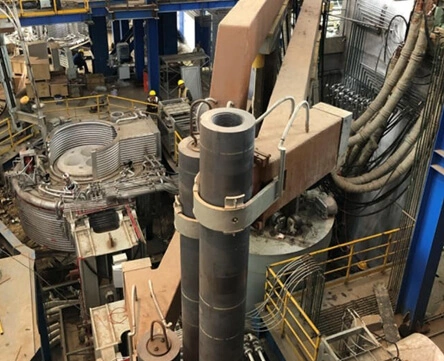
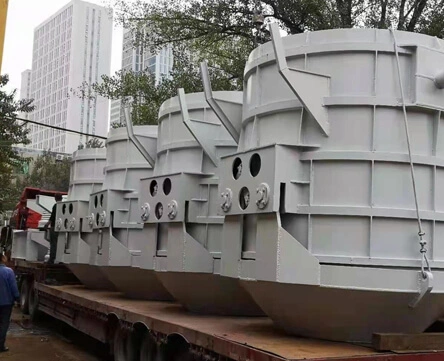
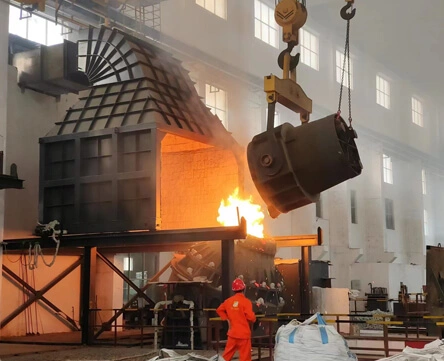
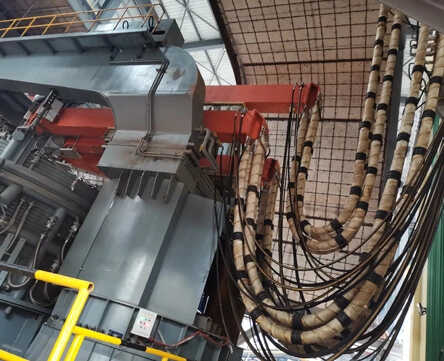
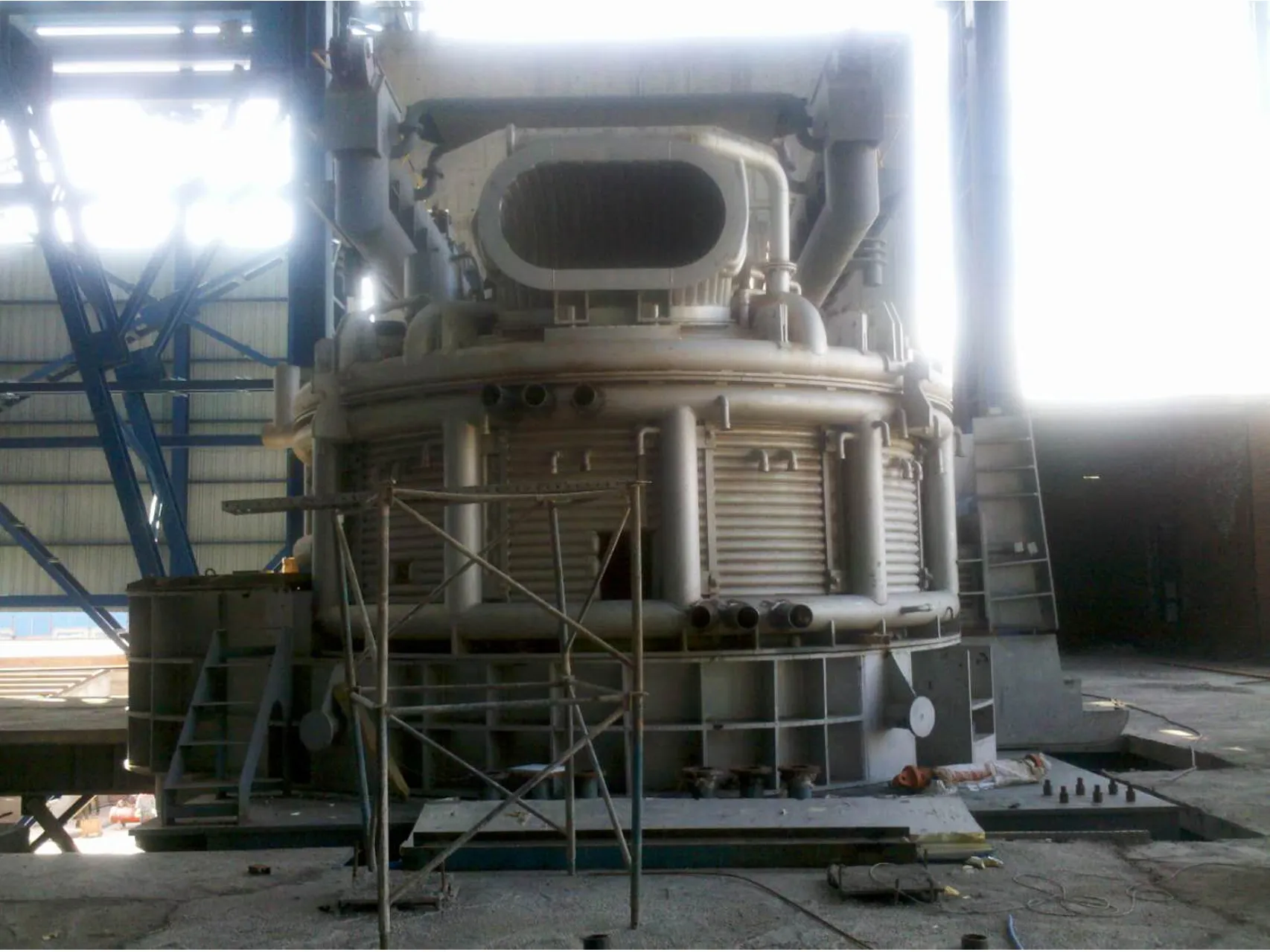
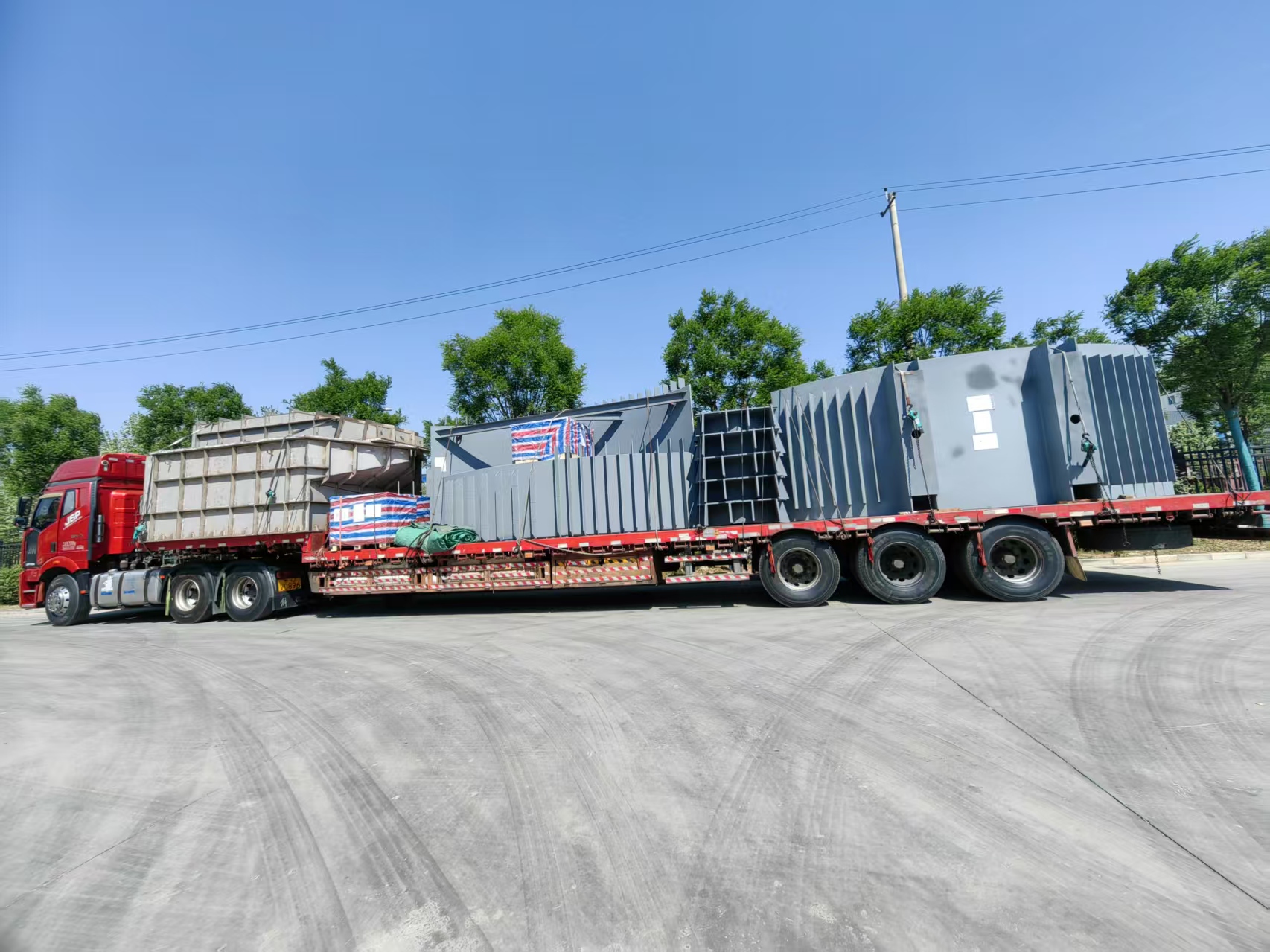
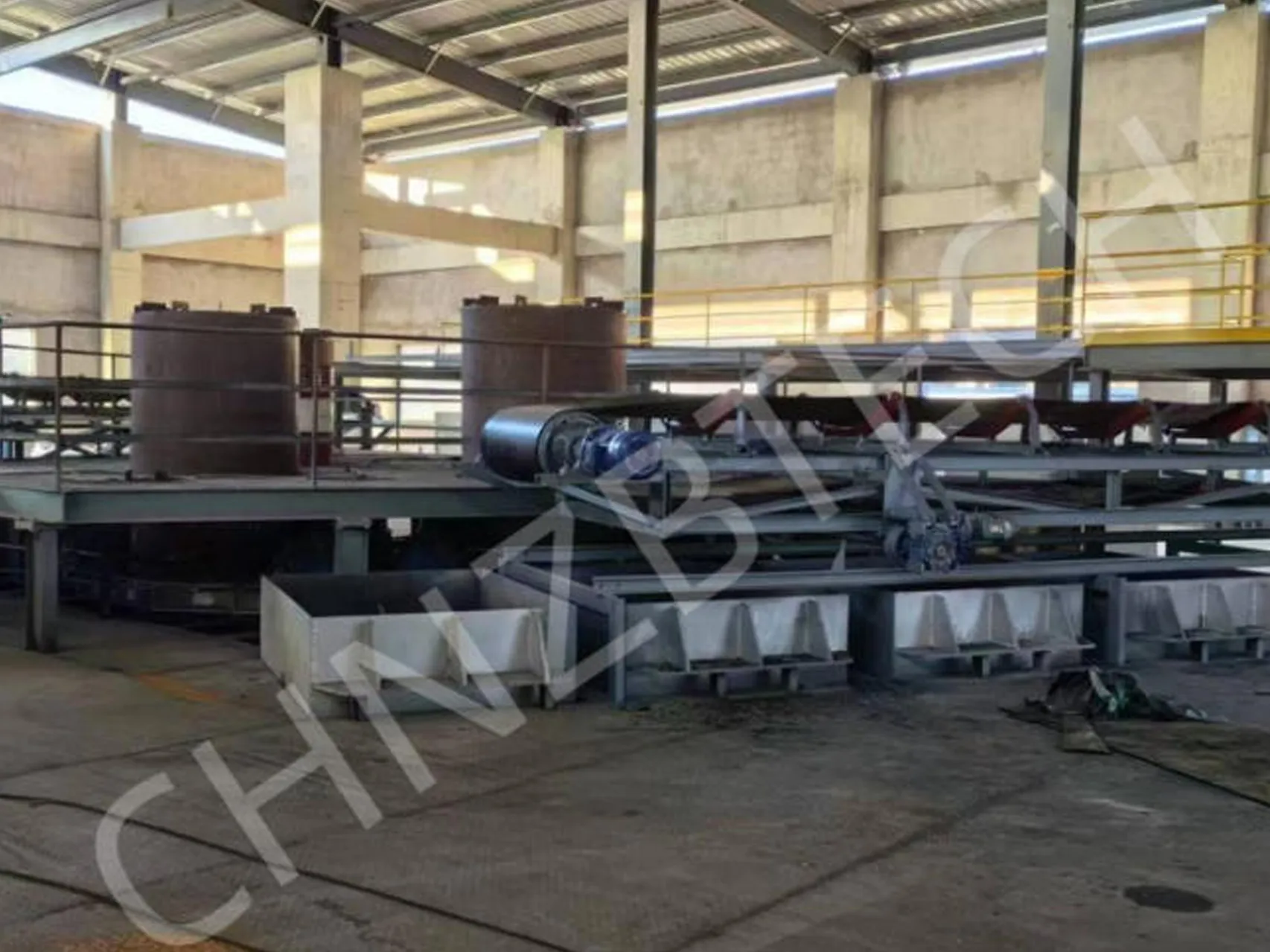
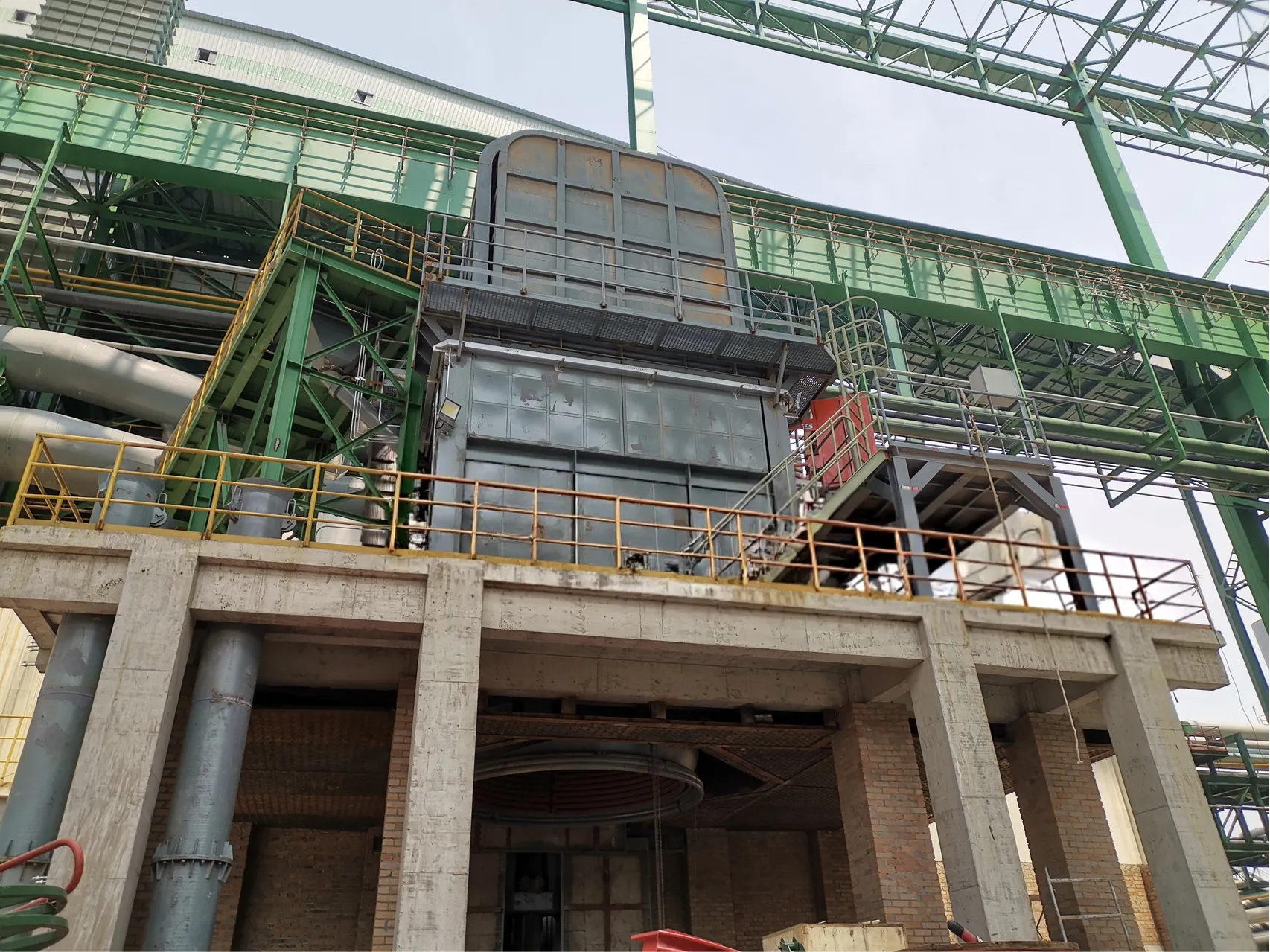
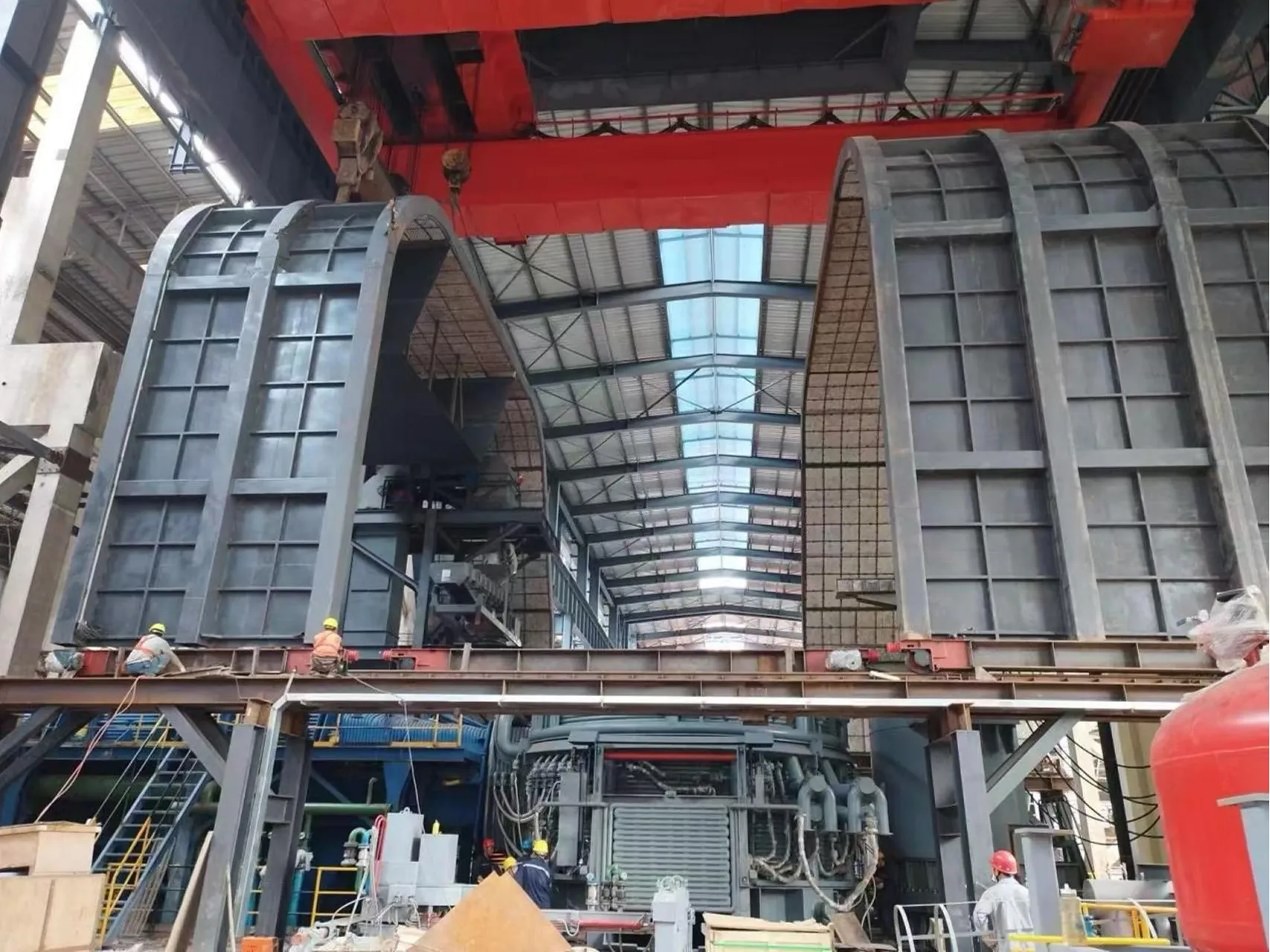
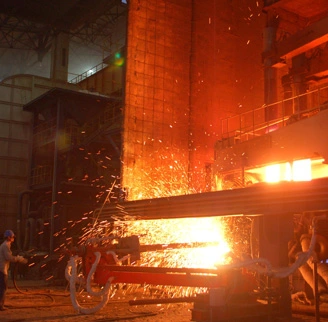
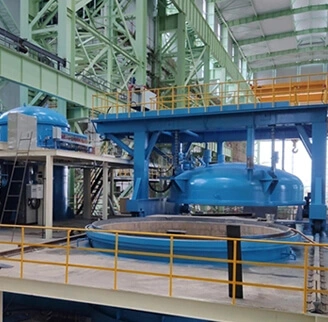
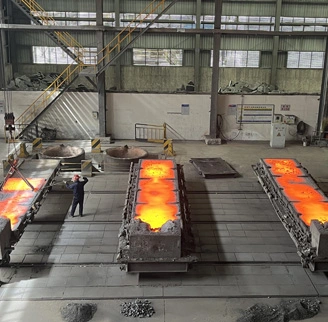
For ferroalloy smelting, reduction submerged arc furnaces are mainly powered by two types of power supply: direct current (DC) and alternating current (AC). The power supply schemes for AC and DC submerged arc furnaces are shown in the following figures. By comparison, the DC power supply for submerged arc furnaces delivers positive and negative direct current to the furnace through a rectifier transformer and a DC power cabinet.
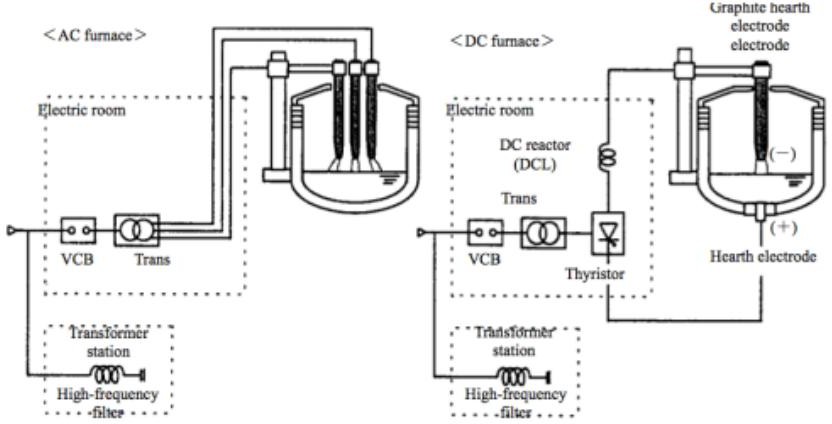
(1) AC Submerged Arc Furnace
The AC submerged arc furnace is powered by three-phase alternating current. Its technology and equipment are mature, with stable operation and a high degree of domestic large-scale production. For traditional large-scale submerged arc furnaces above 33 MVA, the natural power factor of the furnace transformer is low, generally ranging from 0.6 to 0.7, so low-voltage or medium-high voltage compensation must be applied to improve the furnace efficiency.
(2) DC Submerged Arc Furnace
The DC submerged arc furnace adopts a bottom-electrode-free multi-electrode design for power input, as shown in the figure. The DC furnace has no strict requirements for the melting properties and chemical composition of ore; DC power supply is not affected by the reactance of the short network and electrodes; no eddy currents are generated in the steel structures of the furnace shell and furnace cover, resulting in no eddy current loss.
Therefore, the DC furnace features a series of advantages, including concentrated power, high thermal efficiency, high productivity, low smelting power consumption, low electrode consumption, low noise, stable furnace load, high power factor, and improved power grid quality.
Since the commissioning of the world’s first 33 MVA multi-electrode DC submerged arc furnace for silicomanganese alloy at Guizhou Jinyuan Manganese Industry Co., Ltd. in China in 2017, its optimal production indicator has reached a smelting power consumption of 3300 kWh/t, with a furnace power factor of 0.95. Large-capacity bottom-electrode-free DC submerged arc furnaces above 33 MVA have entered a rapid development stage. In Inner Mongolia, China, a number of ferroalloy enterprises have successively put into operation or are constructing DC submerged arc furnaces of 42 MVA and above for silicomanganese alloy and high-carbon ferrochrome production, leading the international advanced level.
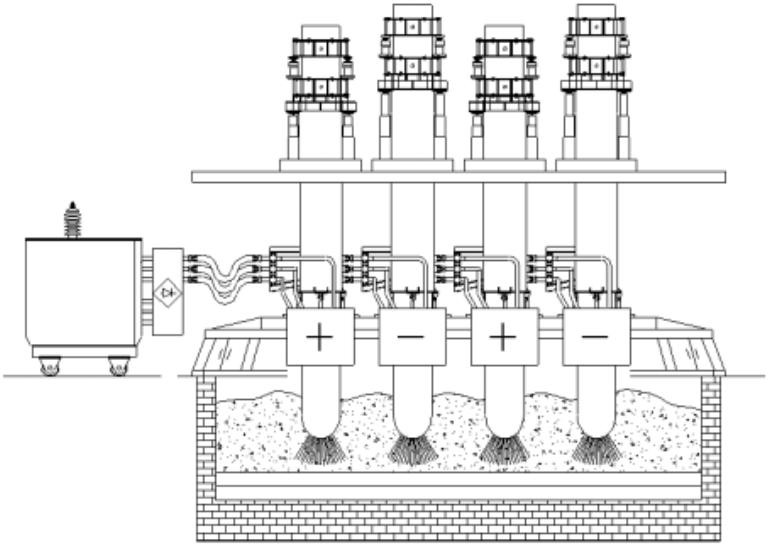
Large-scale bottom-electrode-free DC submerged arc furnaces demonstrate remarkable energy-saving and high-efficiency advantages with a high power factor (up to 0.92 and above without high, medium or low voltage compensation).
By the end of March 2025, problems such as soft and hard breakage of electrodes and serious lining erosion in domestic operating DC submerged arc furnaces for silicomanganese and ferrochrome production have been basically resolved.
Overall, high-power-factor DC submerged arc furnaces are energy-saving and low-carbon equipment and technologies encouraged by the Chinese government.
1. Comparison of Parameters and Economic Performance
Item | Unit | 33,000 kVA AC Furnace for High-Carbon Ferromanganese | 42,000 kVA DC Furnace for High-Carbon Ferromanganese |
Electrode Diameter | mm | 3 × φ1400 | 4 × φ1400 |
Diameter of Electrode Center Circle | mm | φ3720 | Electrode center distance: 3400 |
Furnace Hearth Inner Diameter | mm | Circular: φ9150 | Square: 9350 × 9350 |
Furnace Hearth Depth | mm | 3850 | 3600 |
Furnace Shell Diameter | mm | φ11500 | Square: 11550 × 11550 |
Furnace Shell Height | mm | 5000 | 6800 |
Transformer | - | 3 × 11,000 kVA | 2 × 21,000 kVA |
Compensation | - | Required | Not required |
Specific Smelting Power Consumption | kWh/t | 3300 | 2500 |
Daily Output | t/d | 187 | 300 |
Annual Output | t/a | 62,500 | 99,000 |
Recovery Rate of Main Elements | % | 85 (without slag recycling) | 85 (without slag recycling) |
Net Furnace Gas Flue | mm | φ600 | φ1000 |
Raw Furnace Gas Flue | mm | φ650 | φ1200 |
2. Investment Comparison
For 33,000 kVA high-carbon ferromanganese furnaces, the investment in a single furnace (only referring to the main furnace structure) is at a normal level.
For 42,000 kVA high-carbon ferromanganese DC furnaces, the investment in a single furnace (only referring to the main furnace structure) is approximately 25% higher than that of AC furnaces.
The main incremental investment parts are:
(1) Transformer and rectifier cabinet (compared with AC furnace transformers plus high and low voltage compensation devices)
(2) One additional electrode phase
The investment in the above two parts is approximately 25% higher.
Zhao Lianggang
Mr. Zhao, a graduate of Shaanxi Normal University, is an expert in metallurgical and steel equipment. With a robust knowledge of EAF, LF, VD/VOD, CCM, and related processes, he possesses a deep understanding of industry trends and customer needs. As a co-founder of CHNZBTECH, he leads the company's international strategy, expanding operations into over 20 countries across the Middle East, Southeast Asia, Africa, and South America. By merging his metallurgical expertise with global market insights, he has driven significant overseas growth and solidified the company's competitive position in the international metallurgical equipment industry.

 EN
EN
 fr
fr  ar
ar  fa
fa