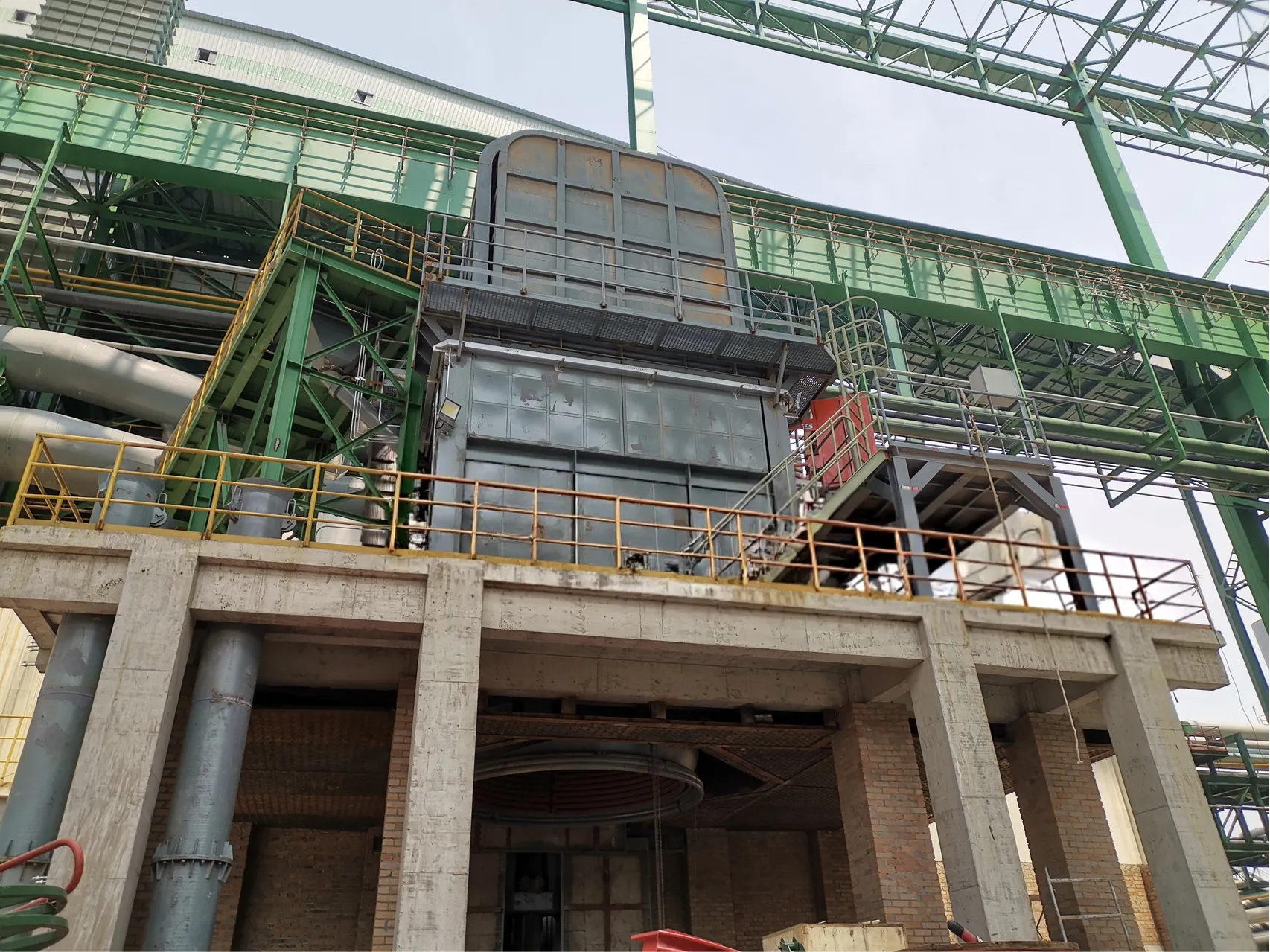
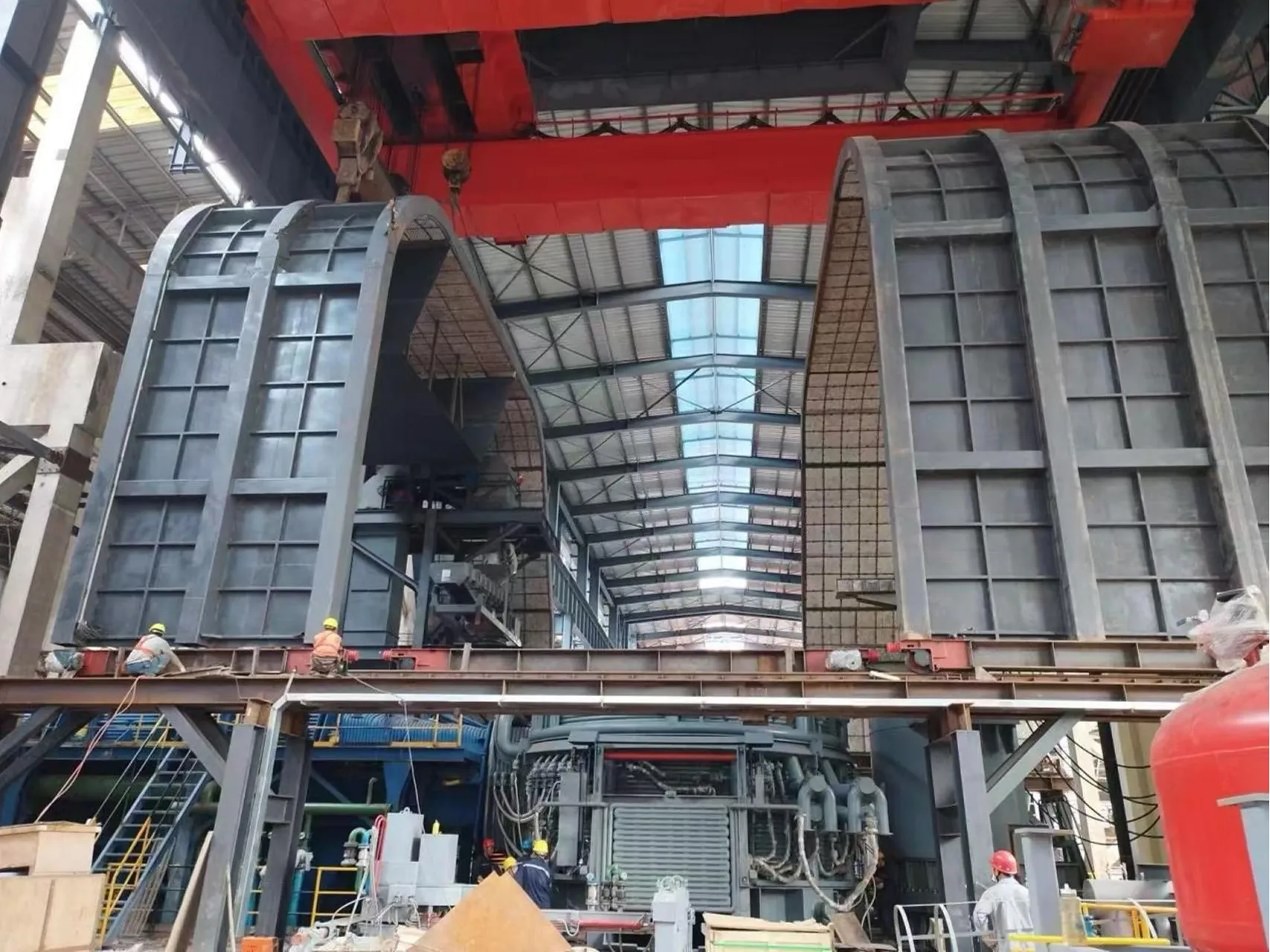
In steel production, the electric arc furnace (EAF) and the blast furnace (BF) are two core technologies. The EAF has become an industry trend thanks to its flexibility and efficiency, while the BF remains a traditional workhorse. Many steel plants face a dilemma when building new lines or revamping old ones: which one should I choose? The difference is not simply "new versus old" – it spans cost, environmental impact, product quality, and application scenarios.
For a steel plant, equipment choice directly determines production costs, product competitiveness, and regulatory compliance. Especially in today's environment of tightening environmental policies, volatile raw material prices, and changing market demands, choosing the right steelmaking equipment is key to profitability. Blindly following the EAF trend or stubbornly sticking with a blast furnace can both lead to high costs and low margins.
This article breaks down the core differences between EAF and BF from five perspectives: process comparison, cost, environmental suitability, product quality, and selection recommendations – all based on real production needs – to help you avoid costly mistakes.
What's the Real Difference Between an EAF and a Blast Furnace?
Simply put, a blast furnace is a long‑route process that turns iron ore into hot metal, while an electric arc furnace is a short‑route process that turns scrap steel into molten steel. That one word difference reflects entirely different production systems.
The table below highlights the key differences at a glance:
| Comparison Aspect | Electric Arc Furnace (EAF) | Blast Furnace (BF) |
|---|
| Core process | Short route: melts scrap/DRI with electric arc, directly produces molten steel | Long route: reduces iron ore to hot metal, then converts to steel in a BOF |
| Main raw materials | Scrap steel, direct reduced iron (DRI) – flexible sourcing | Iron ore, coke, limestone – depends on mineral resources |
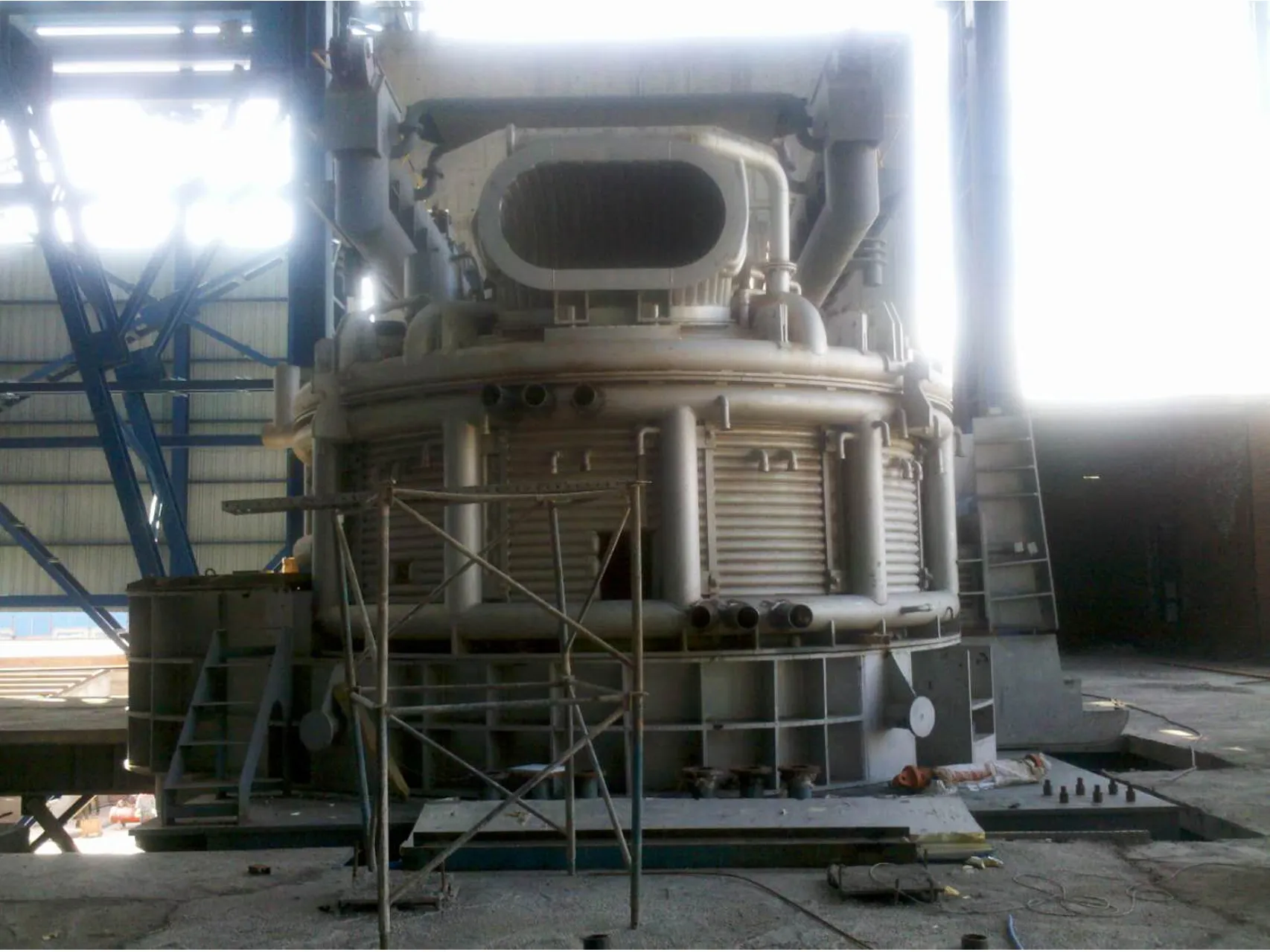
| Equipment footprint | Squat and broad, like a "large pot" with a removable roof – small footprint | Tall and towering, like a giant chimney (30–50 m high) – large footprint |
| Production cycle | Short: 1–2 hours per heat (melting + refining), flexible | Long: continuous operation, high start‑stop cost, difficult to adjust capacity quickly |
| Key dependency | Electricity supply – requires stable grid | Coke and iron ore – relies on mining supply chain |
Operating Cost Showdown: Electricity vs. Coke – Which Is More Economical?
For steel plants, production cost directly determines profitability. The cost difference between EAF and BF centers on electricity (EAF) versus coke (BF). Their cost structures are different, and each suits different plant scales and market conditions.
Blast furnace costs are dominated by coke and iron ore. In recent years, global prices for iron ore and coke have been highly volatile. Adding labor, energy, and maintenance costs for the long route, overall costs remain high. Small steel plants in particular struggle to bear the huge fixed investment and ongoing raw material pressure of a BF. A single blast furnace can cost billions to build, and coke consumption is a massive ongoing expense. Moreover, once a BF is started, it cannot be easily stopped – idle costs are enormous.
Steel production electric ARC furnace costs are dominated by electricity. Although the power consumption per ton of steel is not low, the EAF wins on raw material flexibility and process simplicity. On one hand, scrap steel is increasingly abundant and its recovery cost is falling year by year, significantly reducing raw material expenses. On the other hand, EAFs have a small footprint, lower investment, short construction lead time (months rather than years), fewer operators, and lower maintenance costs – affordable even for small and medium‑sized plants. More importantly, an EAF can flexibly adjust capacity in response to market demand, avoiding wasteful idle capacity. The cost advantage is especially clear in regions with abundant, low‑cost electricity.
Under Environmental Regulations, Why Are More Plants Choosing EAF?
In recent years, global environmental policies have tightened, and carbon reduction targets have become a red line for the steel industry. This has been a major driver behind the rise of EAFs and the decline of BFs. The environmental performance of the EAF is superior in almost every way, perfectly aligned with today's green transition.
Blast furnace long‑route production is a classic example of high emissions and pollution. The ironmaking process generates large amounts of waste gas, slag, and dust, with extremely high carbon intensity. The BF+BOF route alone accounts for over 70% of total steel industry emissions. What's more, retrofitting old blast furnaces to meet modern environmental standards is difficult and expensive. Many plants have invested heavily and still cannot meet the latest regulations, eventually being forced to shut down.
Electric arc furnace environmental advantages are striking:
Uses scrap steel as its main raw material – essentially resource recycling – reducing ecological damage from iron ore mining.
Produces far less waste gas and slag than a BF, and these are easier to treat. With proper dust collection and desulfurization equipment, EAFs easily meet emission standards.
Higher energy efficiency: energy consumption and carbon emissions per ton of steel are 30–50% lower than a BF.
EAFs not only help steel plants avoid environmental penalties but also make them eligible for green subsidies, lowering compliance costs. That is why more and more plants – whether building new lines or retrofitting old ones – are prioritizing electric arc furnaces.
Product Quality and Application Scenarios: BF Steel vs. EAF Steel
Many people mistakenly believe "blast furnace steel is high quality, EAF steel is low quality." That is a misunderstanding. The two processes produce steel with different characteristics, suited to different applications – not "good or bad," but "fit for purpose."
Blast furnace steel excels in compositional stability and high purity. Because it uses iron ore as raw material, impurity levels are easier to control. It is well suited for producing high‑end, high‑value‑added steels such as automotive sheet, electrical steel, tinplate, and military grades – where strict uniformity and mechanical properties are required. The few blast furnaces still operating in countries like the US and Japan are kept precisely to produce such premium steels.
Electric arc furnace steel is valued for its flexibility and broad adaptability. Although scrap‑based raw materials can cause more compositional variation, downstream refining equipment (such as LF furnaces and VOD furnaces) can bring EAF steel up to medium‑to‑high quality standards. More importantly, EAFs can switch between steel grades quickly, making them ideal for small‑batch, multi‑variety production – e.g., rebar, sections, and general flat products – allowing rapid response to market changes. For small‑to‑medium steel plants and those focused on construction materials, the EAF's adaptability is far superior.
New Lines or Retrofits – Which Should You Choose?
Whether you are building a new line or retrofitting an old one, the choice between EAF and BF should be based on your scale, capital, raw material access, product positioning, and environmental requirements. Do not blindly follow trends. Based on years of industry experience, here are two core recommendations to help you avoid missteps.
For a new production line:
Small‑to‑medium scale, limited capital, raw material mainly scrap, product positioning toward construction steel, sections, and other medium‑to‑low‑end grades, with ample local electricity and strict environmental rules → choose an AC EAF. Lower investment, faster returns, environmentally compliant, flexible, and profitable.
Large‑scale plant with strong capital, reliable access to iron ore and coke, product positioning toward high‑end automotive sheet, electrical steel, etc. → you may consider keeping or building a BF, but must include full environmental facilities to meet green transition requirements.
For retrofitting an old plant:
Existing BF is old, non‑compliant, high maintenance, and products lack competitiveness → gradually phase out the BF and convert to an EAF line. Shorter retrofit period, lower cost than building a new BF, faster capacity increase, cost reduction, and environmental compliance.
Existing BF still meets environmental standards and product positioning is high‑end → upgrade the BF with supplementary refining equipment to improve product quality and production efficiency.
Ultimately, the rise of the electric arc furnace is not a complete replacement of the blast furnace, but an inevitable response of the steel industry to cost pressures, environmental demands, and market changes. Choosing the right equipment allows you to stand firm in fierce competition and achieve sustainable development.
We specialize in complete metallurgical equipment including EAFs and refining furnaces. Based on your production line needs and product positioning, we offer customized equipment solutions and retrofit services to help you make the right choice, reduce costs, and improve efficiency.

 EN
EN
 fr
fr  ar
ar  fa
fa