In the high-stakes world of industrial silicon smelting, efficiency is everything. Yet, even the most advanced furnaces frequently suffer from mysterious drops in productivity, unstable power input, and costly electrode failures. At CHNZBTECH, we have spent years analyzing these "abnormal conditions." Understanding why your furnace is struggling is the first step toward maximizing your yield.
Based on extensive field data, here are the primary culprits behind declining performance in submerged arc furnaces (SAF):
The Carbon Dilemma: Too Little or Too Much
The balance of the charge is delicate.
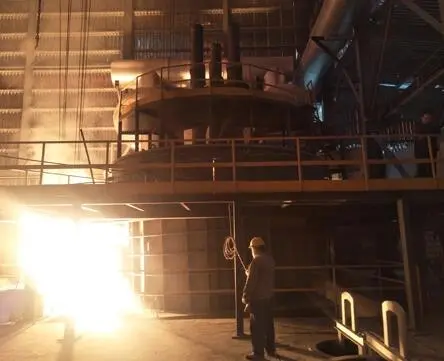
Reducing Agent Deficiency: This is a common killer. If carbon is lacking, the electrode insertion becomes unstable. You will see "stabbing fire" on the charge surface, strong white flames erupting from the tap hole, and unreduced quartz dripping from the electrodes. The result? Electrodes consume faster, the crucible shrinks, and tapping becomes nearly impossible.
Excess Carbon: Conversely, too much reducer causes the electrode position to rise. The furnace roars, the charge collapses frequently around the electrodes, and the silicon temperature drops. Worse, long-term excess leads to the formation of silicon carbide (SiC) buildup, which chokes the furnace and requires drastic "dry burning" measures to clear.
The Electrode Length Trap
Electrode management is an art.
Too Short: Mimics the symptoms of excess carbon—red flames, narrow crucibles, and dropping temperatures.
Too Long: Causes the electrode to plunge into the slag, extinguishing the arc. Power is wasted, and the furnace stops reacting.
The Silent Killer: Electrode Breakage
Electrode accidents are the most expensive downtime events. They fall into two categories:
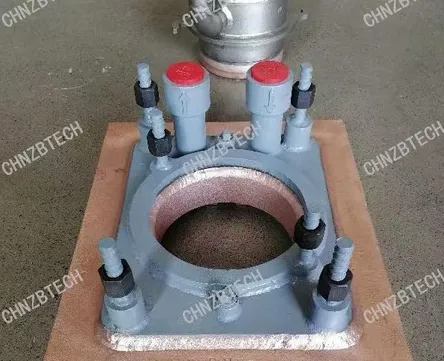
Cold Breaks: Occurring above the copper shoes, often due to mechanical collision, misalignment, or manufacturing defects.
Hot Breaks: Occurring below the copper shoes, usually triggered by thermal stress, excessive current surges during restart, or external mechanical impact.
How CHNZBTECH Solves These Challenges
At CHNZBTECH, we don't just build equipment; we provide stability. Our core technology directly addresses the root causes of these inefficiencies:
1. Intelligent Three-Phase Balance
Many of the issues described above—especially electrode breakage and uneven heating—stem from three-phase imbalance. When one phase draws too much current while another lags, it creates massive thermal stress on the electrodes.
Our Intelligent Low Voltage Compensation Systems dynamically adjust reactive power distribution across all three phases. By ensuring that Phase A, B, and C are perfectly balanced, we prevent localized overheating, stabilize the smelting process, and drastically reduce the risk of both hot and cold breaks.
2. Stabilizing the Arc & Depth Control
Fluctuating power input (as mentioned in the text) is a sign of poor power quality. CHNZBTECH systems act as a shock absorber for your furnace. We stabilize the arc, allowing for deeper and more consistent electrode penetration. This ensures that the melting zone (the crucible) remains wide and active, preventing the "narrow crucible" syndrome that leads to low silicon output.
3. Preventing SiC Buildup
By optimizing the power factor and maintaining stable smelting temperatures, our systems help maintain the chemical equilibrium inside the furnace. This reduces the likelihood of silicon carbide formation caused by unstable power fluctuations and improper reduction ratios.
Conclusion
An abnormal furnace is a costly furnace. Whether you are battling carbon imbalances, struggling with electrode length, or facing frequent breakages, the solution lies in precise power control.
CHNZBTECH delivers the technological edge required for modern industrial silicon production. Stop fighting the symptoms and start controlling the cause.
As we have seen, the margin for error in industrial silicon smelting is razor-thin. Whether it is the carbon ratio in the burden, the length of the electrodes, or the prevention of SiC buildup, the difference between profit and loss lies in microscopic process control.
At CHNZBTECH, we understand that stable operation is not accidental—it is engineered. We provide comprehensive smelting solutions that integrate intelligent feeding systems, precision electrode regulation, and real-time furnace diagnostics. Our goal is to give operators the tools to maintain that delicate equilibrium, ensuring that your furnace stays productive, your electrodes stay intact, and your yield stays high.
Struggling with unstable furnace conditions? Partner with CHNZBTECH to engineer stability into your process.

 EN
EN
 fr
fr  ar
ar  fa
fa